Namsangol Hanok Village (Namsan Hanok Village): A Guide to Understanding Hanok
Disclosure: This post may contain affiliate links. If you click and make a purchase, I may earn a commission at no extra cost to you. Read more
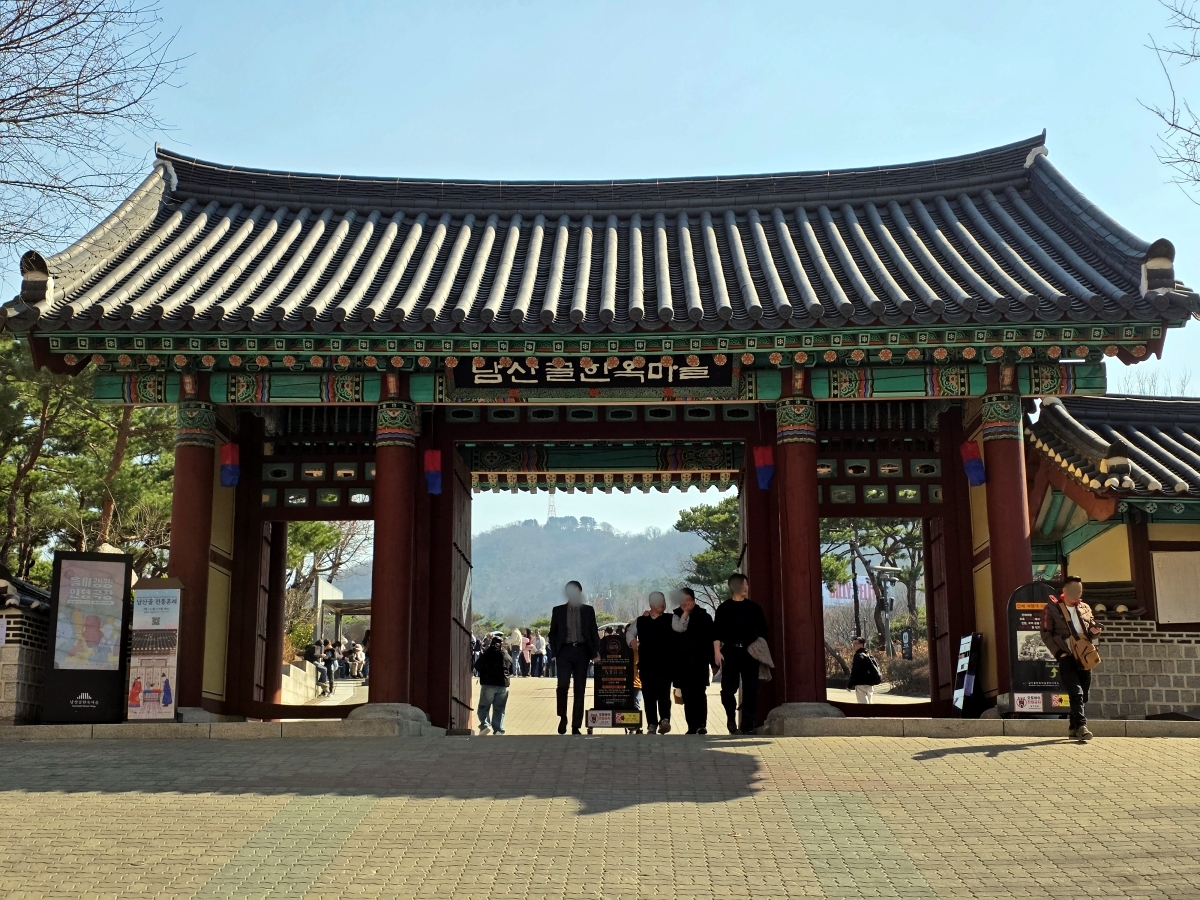
I recently joined an English guided tour at Namsangol Hanok Village in Seoul.
The tour provided a helpful overview of the site and introduced the basics of traditional Korean houses. As I walked through the village, I realized that there are many interesting details about hanok that are not always explained in depth.
So in this post, I’ve organized those ideas in a simple and easy way—especially for international visitors who want to understand more about what they are seeing.
If you are planning to visit this place, this guide will help you experience it more meaningfully.
Quick Summary
- Namsangol Hanok Village is a cultural space featuring restored traditional Korean houses
- Understanding a few key concepts can completely change your experience
- This guide explains those ideas in a simple way
About Namsangol Hanok Village
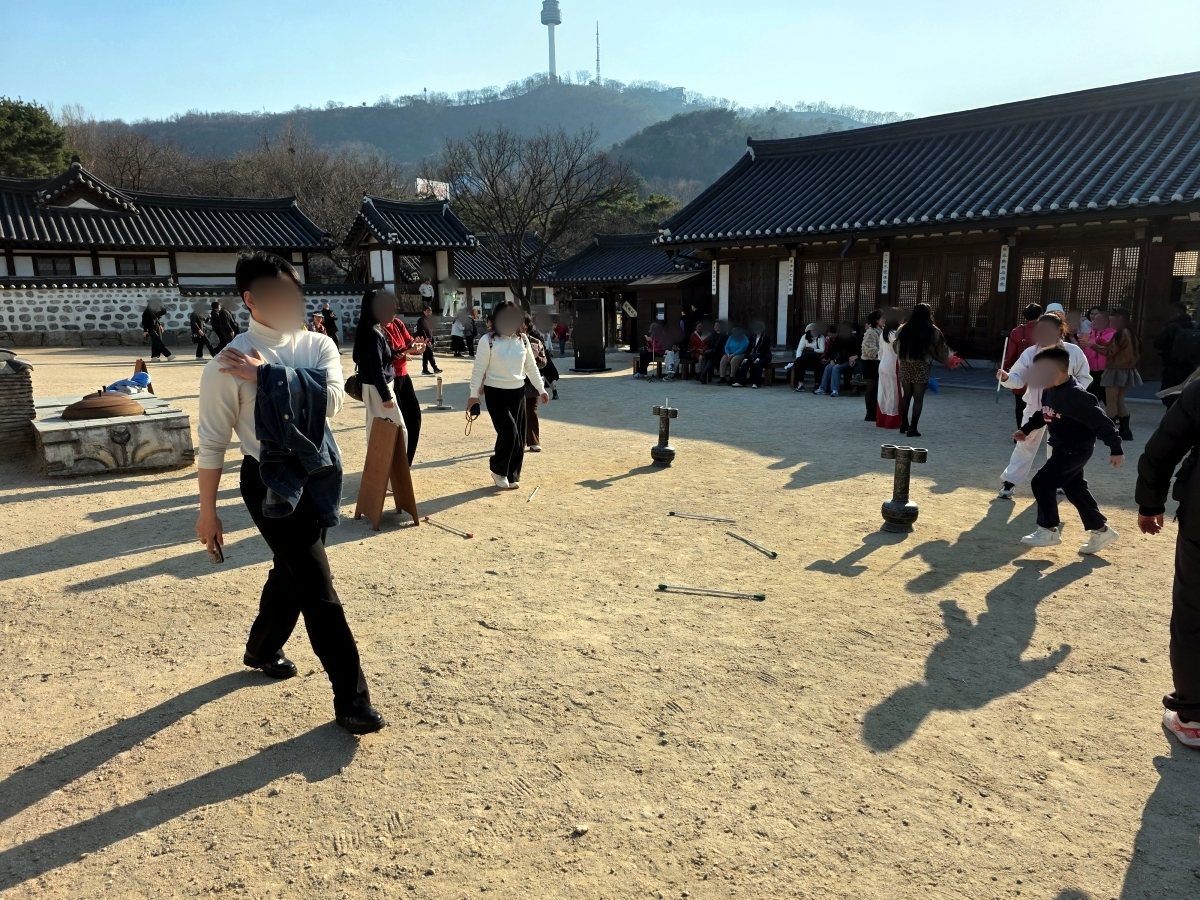
Namsangol Hanok Village was established in 1998 on the former government site, covering approximately 79,000 square meters at the northern foot of Namsan Mountain.
It is a cultural space where traditional Korean houses (hanok) were relocated and restored from different parts of Seoul.
The village consists of five hanok houses, a traditional garden, Cheonugak Pavilion, a performance space, and the Seoul Millennium Time Capsule Square.
As you enter, you will first see Cheonghakji Pond and the pavilion. Walking further uphill, you will find hanok houses that represent different types of homes from the Joseon Dynasty, from middle-class residences to homes of high-ranking officials.
These include the house of master carpenter Yi Seung-eop, who worked on the reconstruction of Gyeongbokgung Palace, the residence of General Kim Chunyeong, the house of the Min family, the jaesil of Yun Taek-yeong (father-in-law of King Sunjong), and a reconstructed house from Ogin-dong.
Why Namsangol Hanok Village Feels Different
One important thing to understand is that Namsangol Hanok Village is not a residential area.
Unlike Bukchon Hanok Village, where people still live in traditional houses, this village is a reconstructed cultural site. This creates a very different experience. In Bukchon, visitors need to be mindful of noise and privacy, since it is an actual neighborhood. Photography can also be limited in certain areas.
Here, no one lives in the houses. That means you can walk freely, explore the interiors, and take photos without worrying about disturbing residents. If you want to experience traditional Korean houses in a more relaxed and accessible way, this is a great place to do it.
How to Get to Namsangol Hanok Village
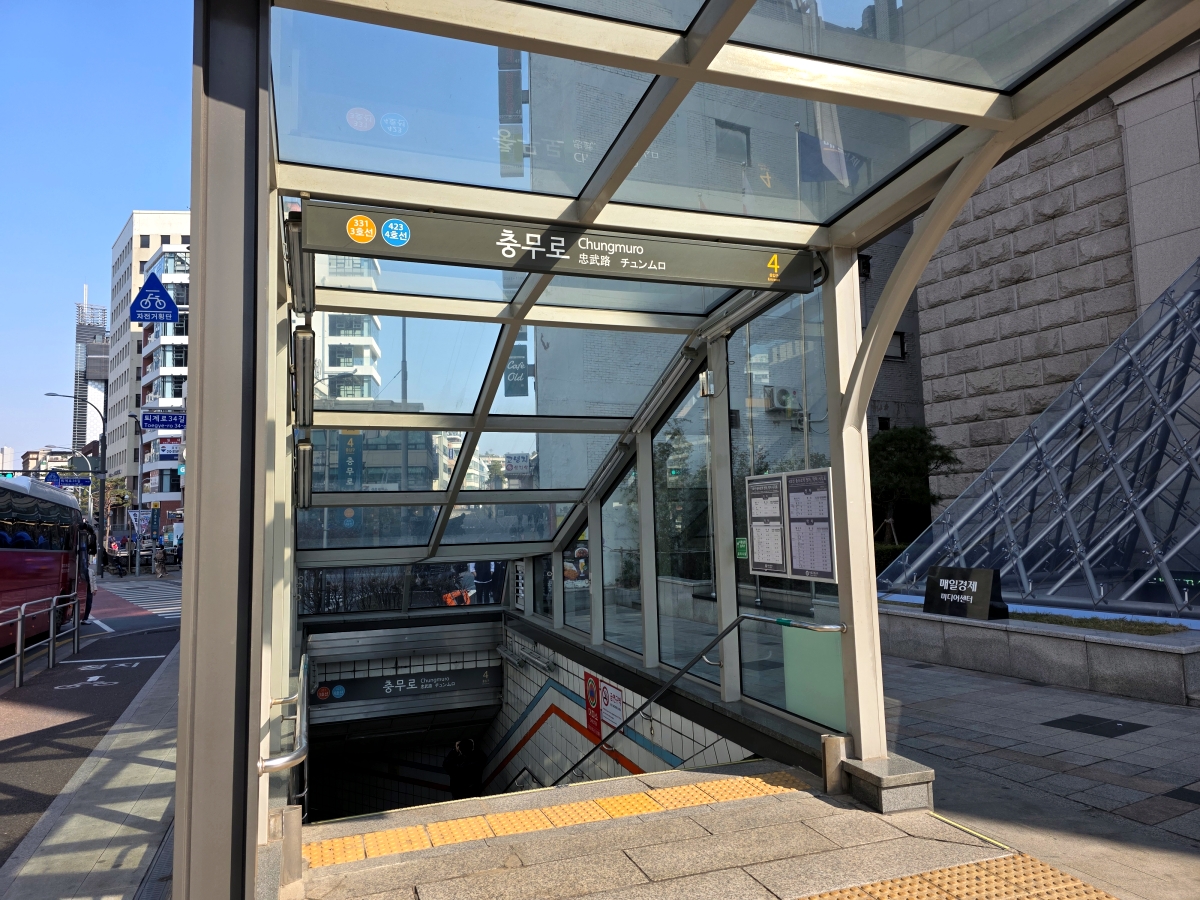
The easiest way to get to Namsangol Hanok Village is by subway.
The nearest station is Chungmuro Station(Line #3, and #4).
Directions from Chungmuro Station
- Take Exit 4
- As soon as you come out, make a U-turn
- Walk to the intersection just ahead
- Turn right at the intersection
- Walk a short distance and you will see the entrance to Namsangol Hanok Village
The walk takes only a few minutes and is very easy to follow.
Free Guided Tour Schedule (English Available)
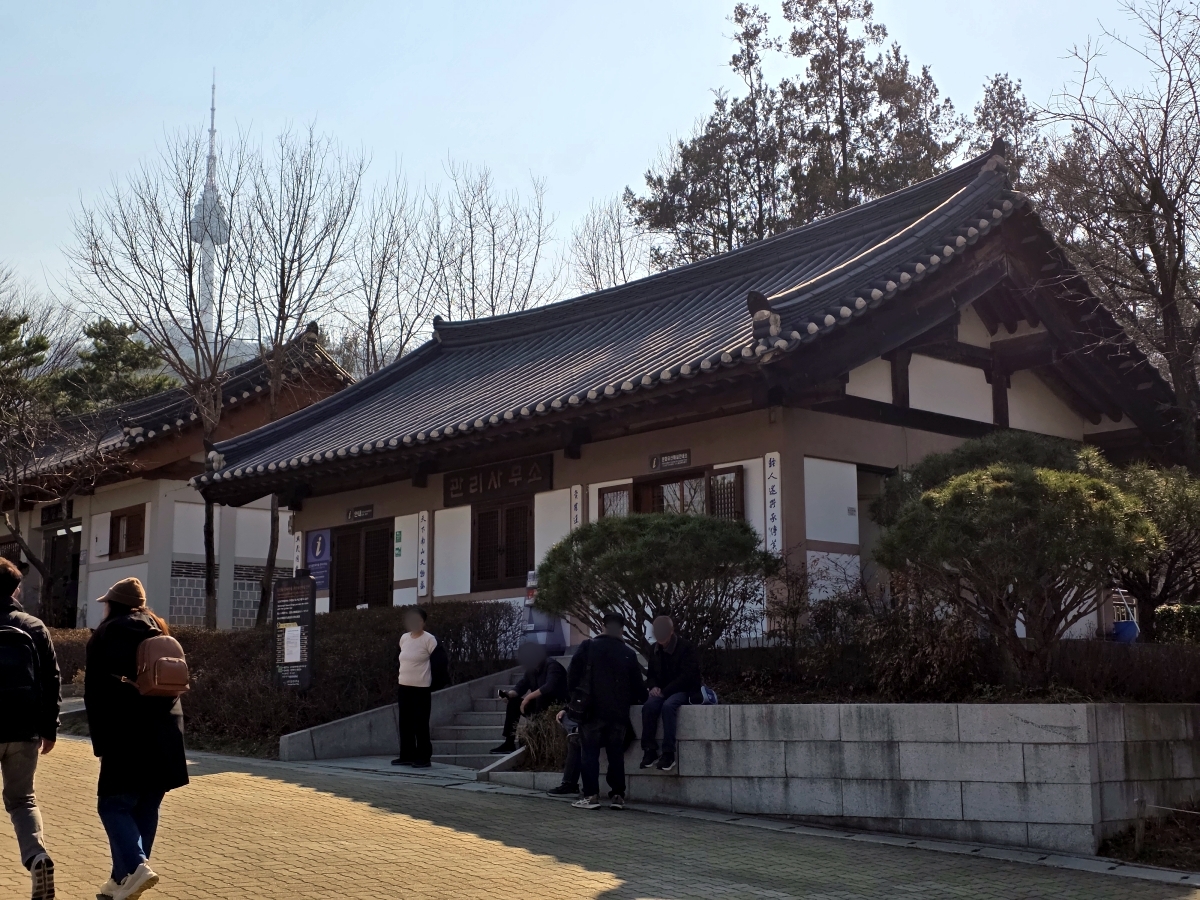
If you are planning to join a guided tour, here is the current English tour schedule.
Each tour lasts about 40–60 minutes.
English Guided Tour Times
- Monday
→ Closed - Tuesday to Friday
→ 14:00, 15:30 - Saturday and Sunday
→ 10:30, 12:00
Understanding Hanok: What to Look For
The more you understand hanok, the more meaningful your visit becomes.
Here are a few key ideas to keep in mind as you walk through the village.
1. Hanok Is Designed Around Nature
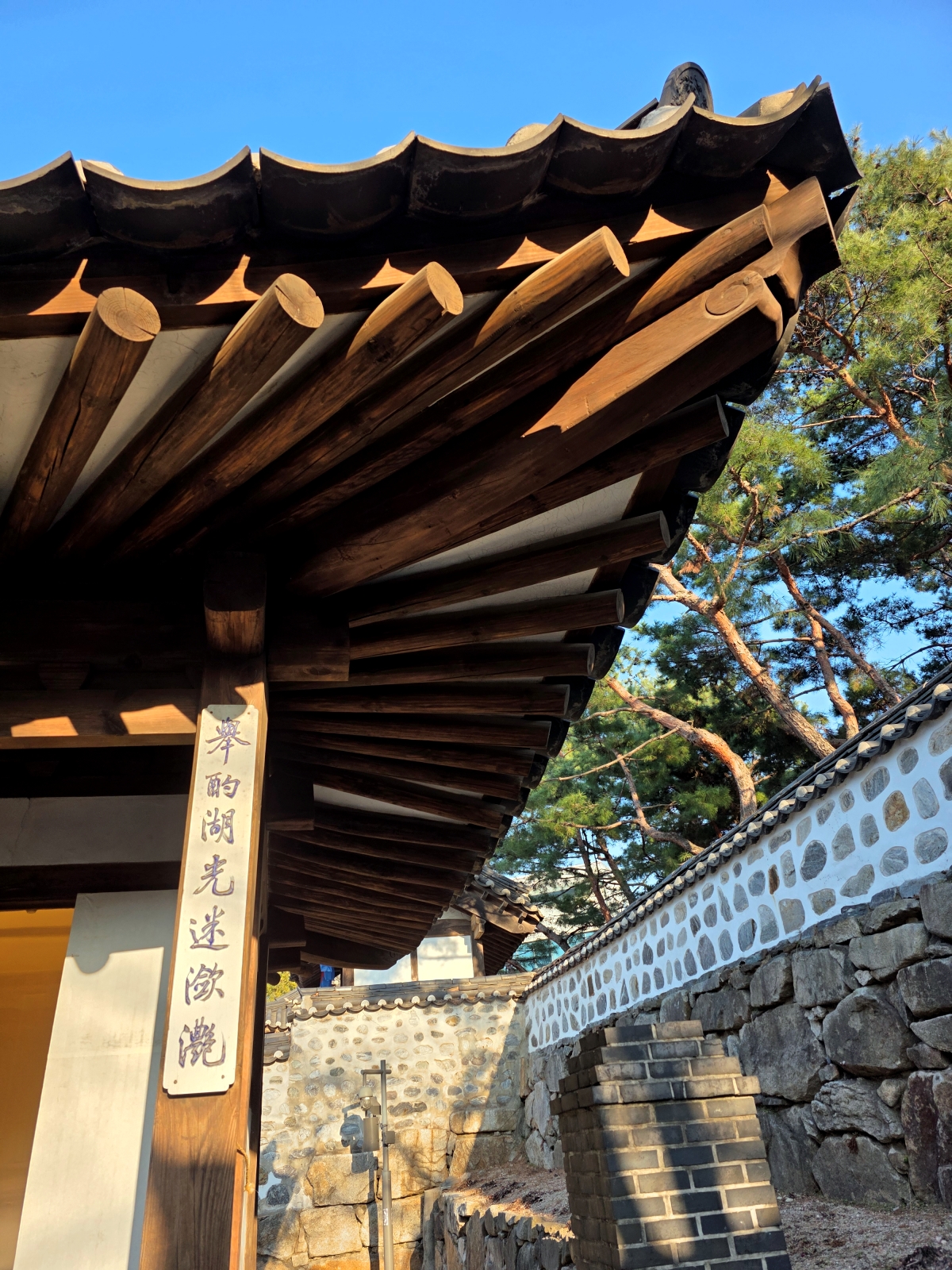
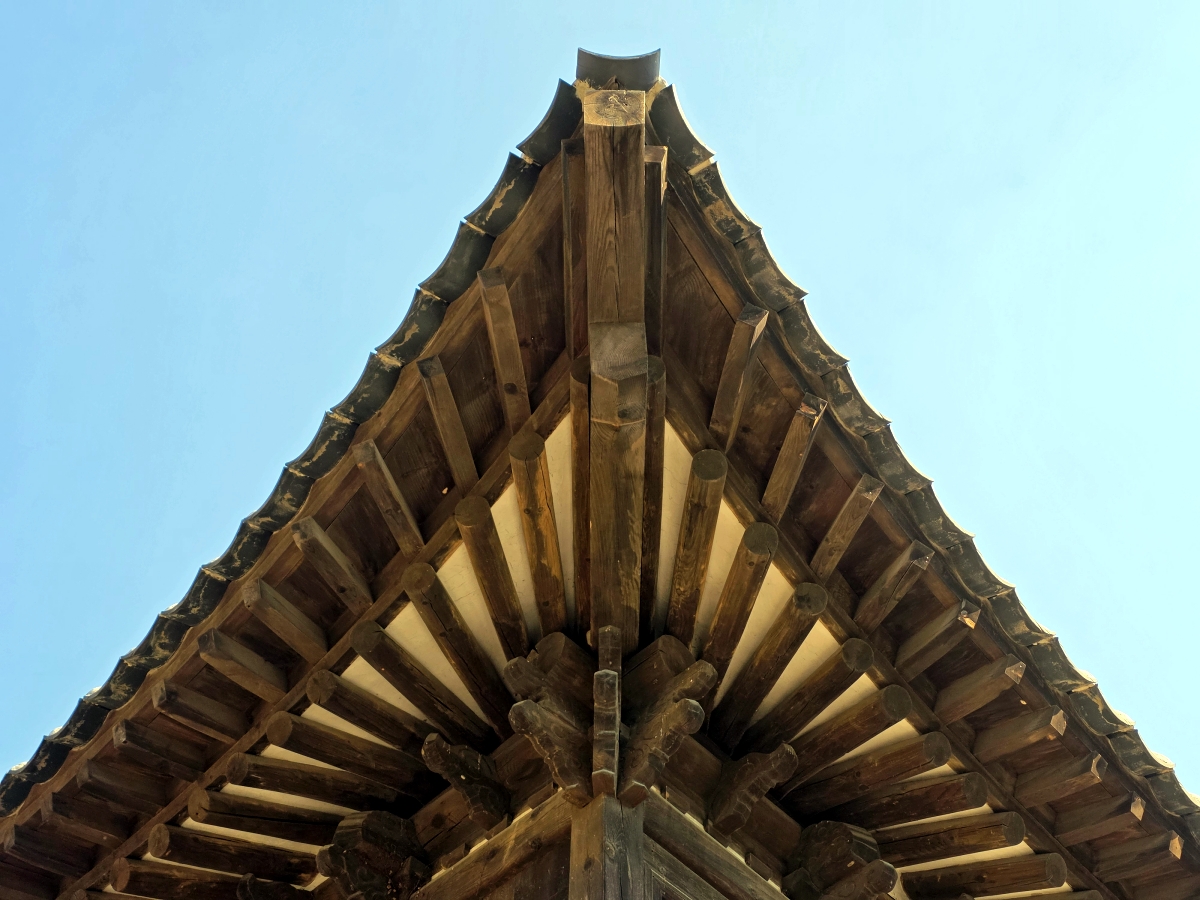
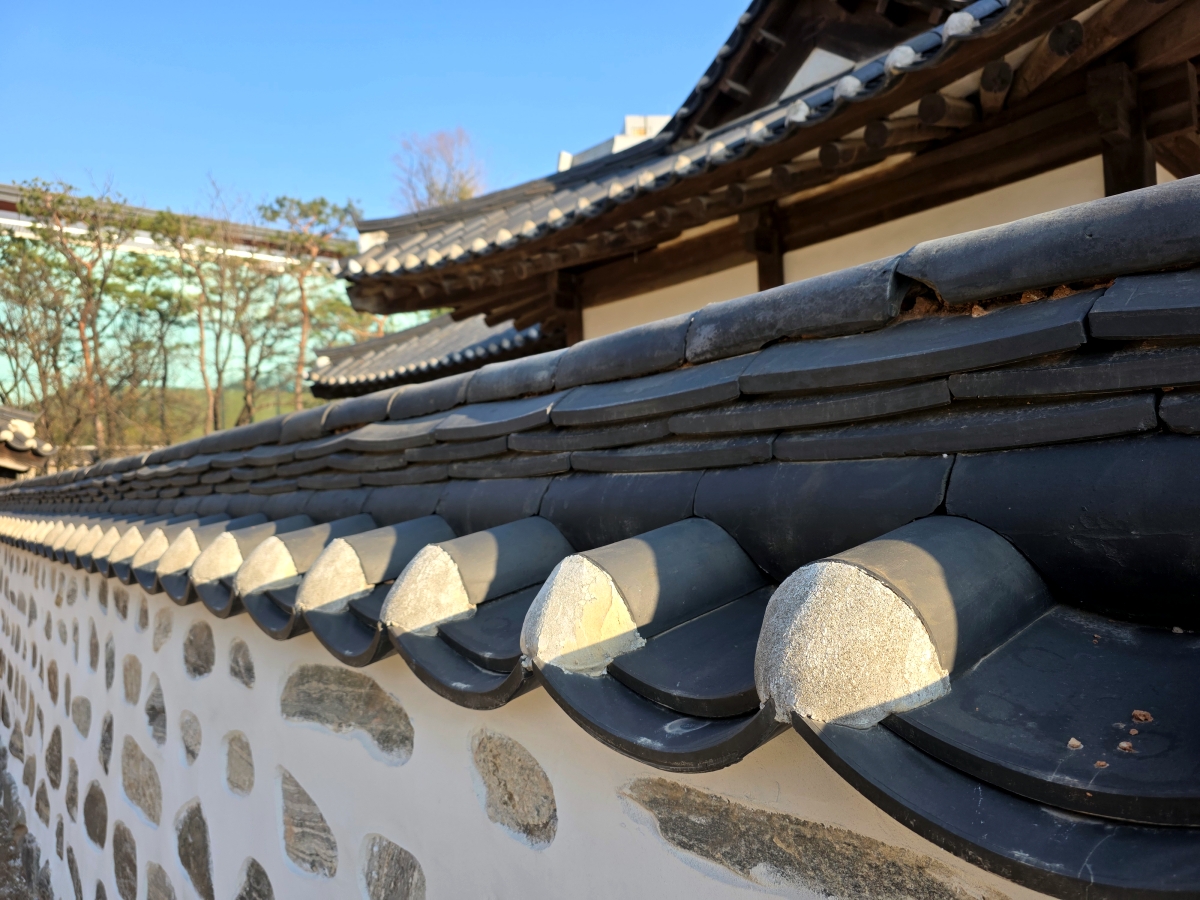
Hanok architecture is closely connected to nature.
One of the best examples is the roof design.
The extended eaves are carefully planned based on the sun’s angle:
- In summer, when the sun is high, the eaves block direct sunlight and keep the interior cool
- In winter, when the sun is low, sunlight reaches deep inside the house and warms the floor
This natural control of light and temperature is part of what makes hanok both comfortable and efficient.
2. The Meaning Behind the Pond
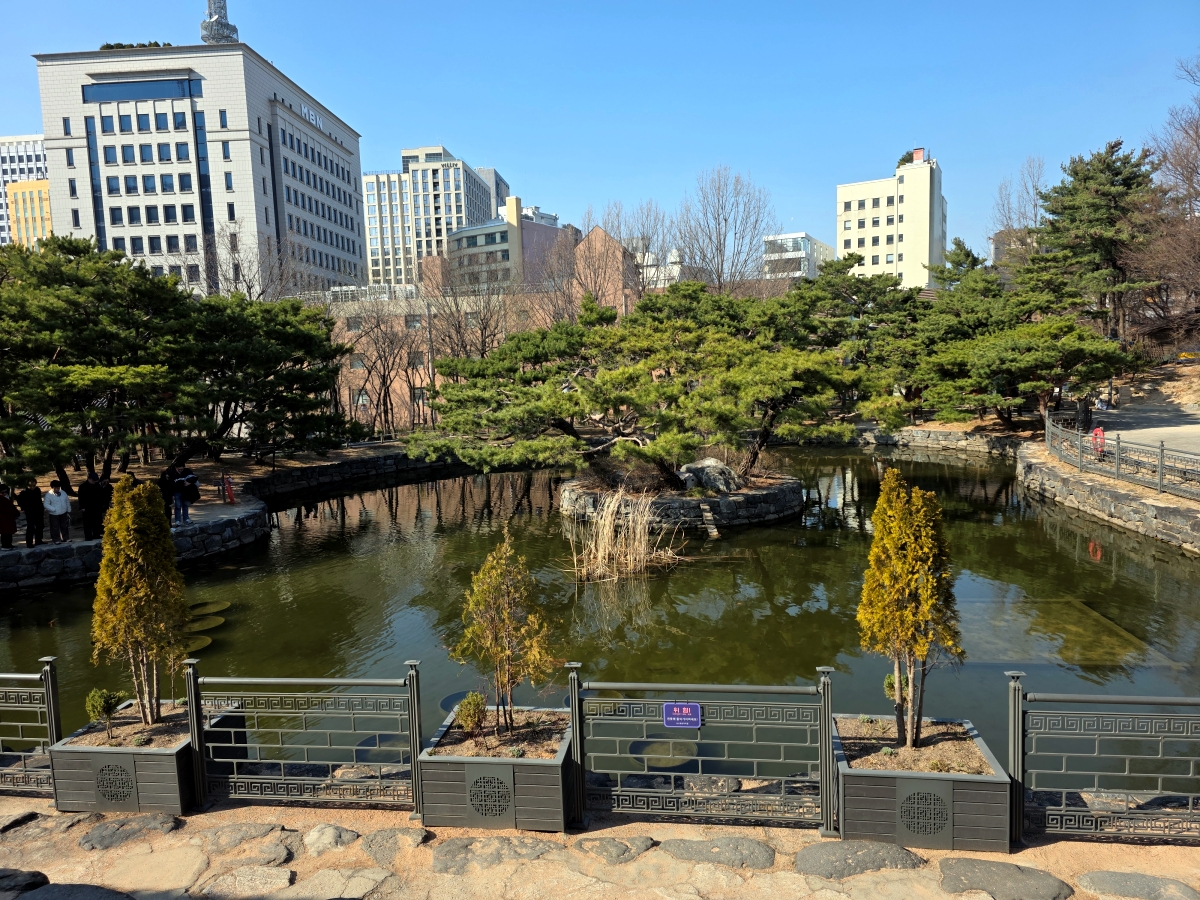
The pond you see in the village is more than just a scenic feature.
It reflects a traditional idea about the universe:
- Round shape → represents the heaven (sky)
- Square shape → represents the earth
This concept expresses harmony between heaven and earth.
So what looks like a simple pond actually carries philosophical meaning.
3. House Layout Reflects Daily Life
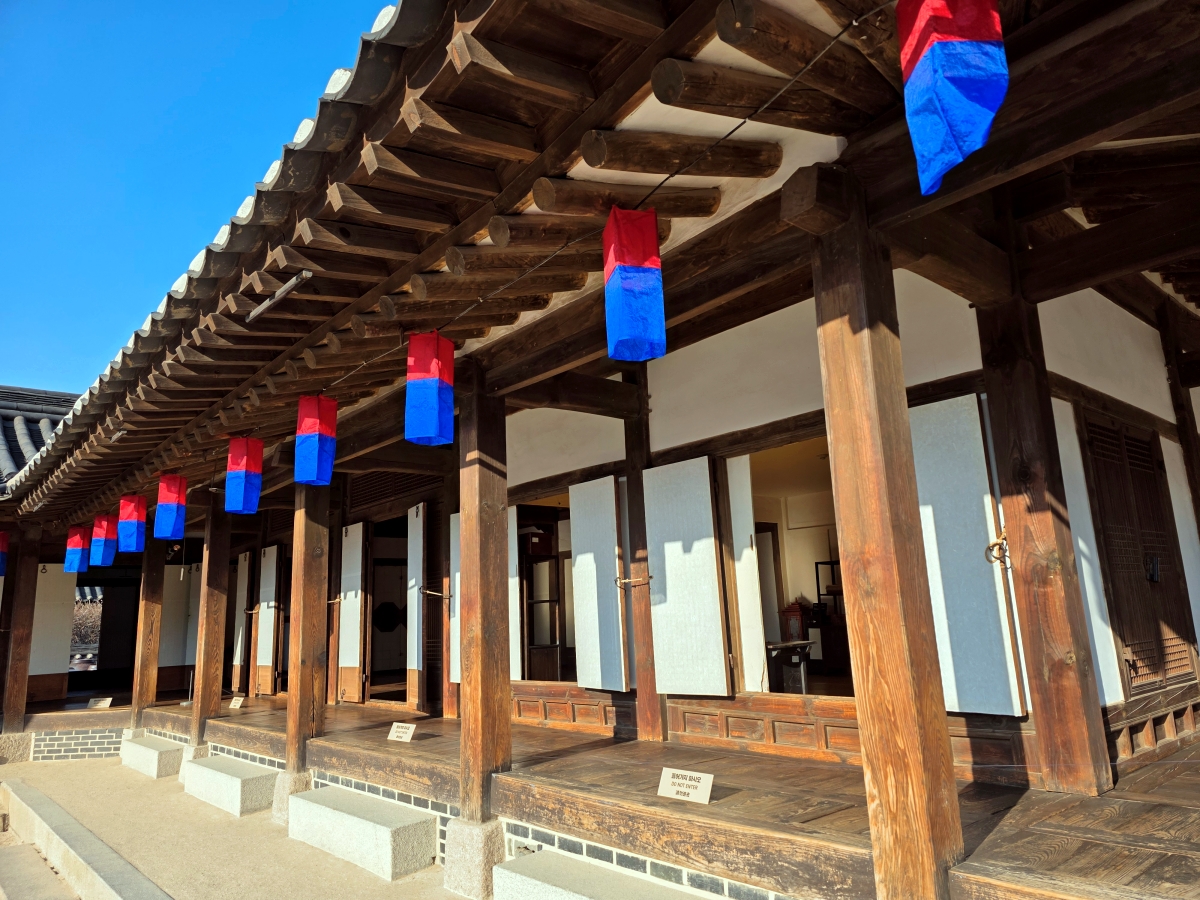
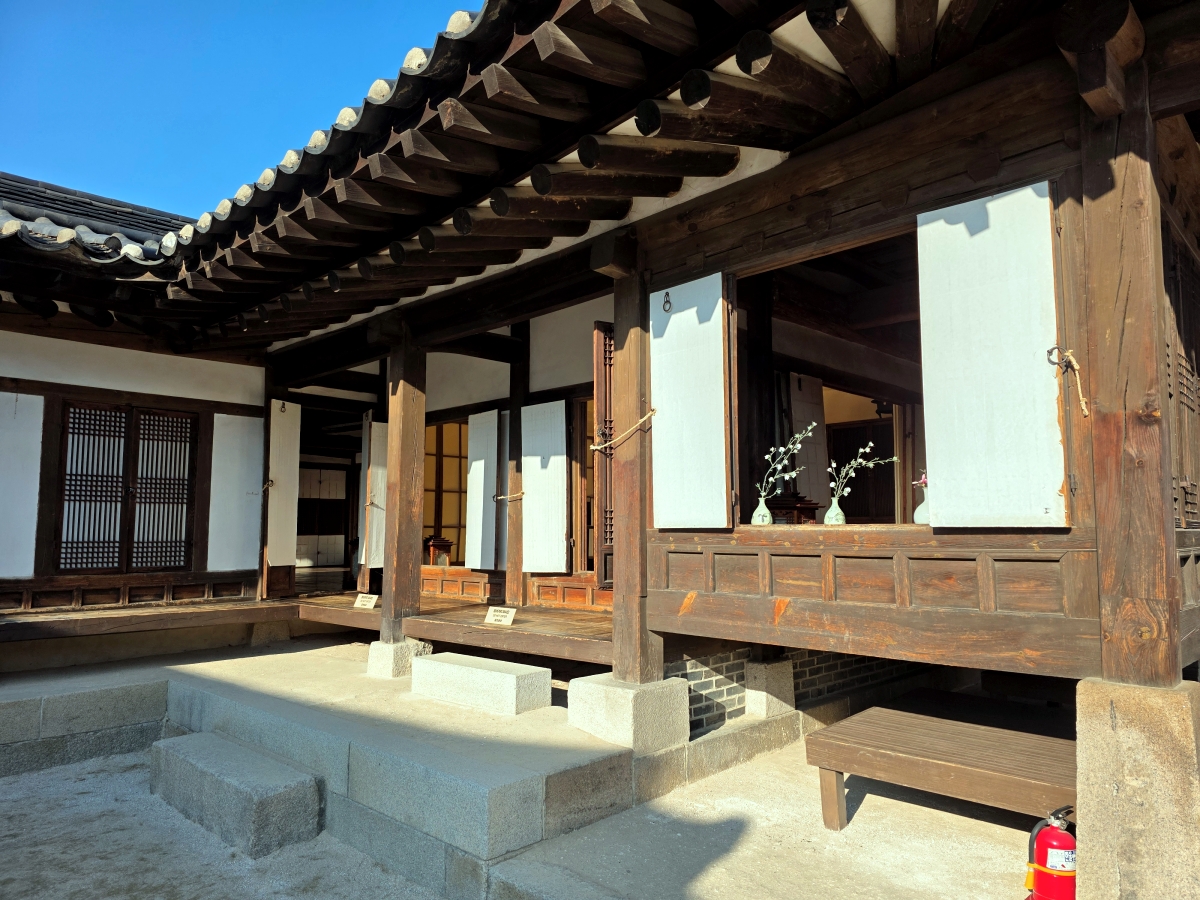
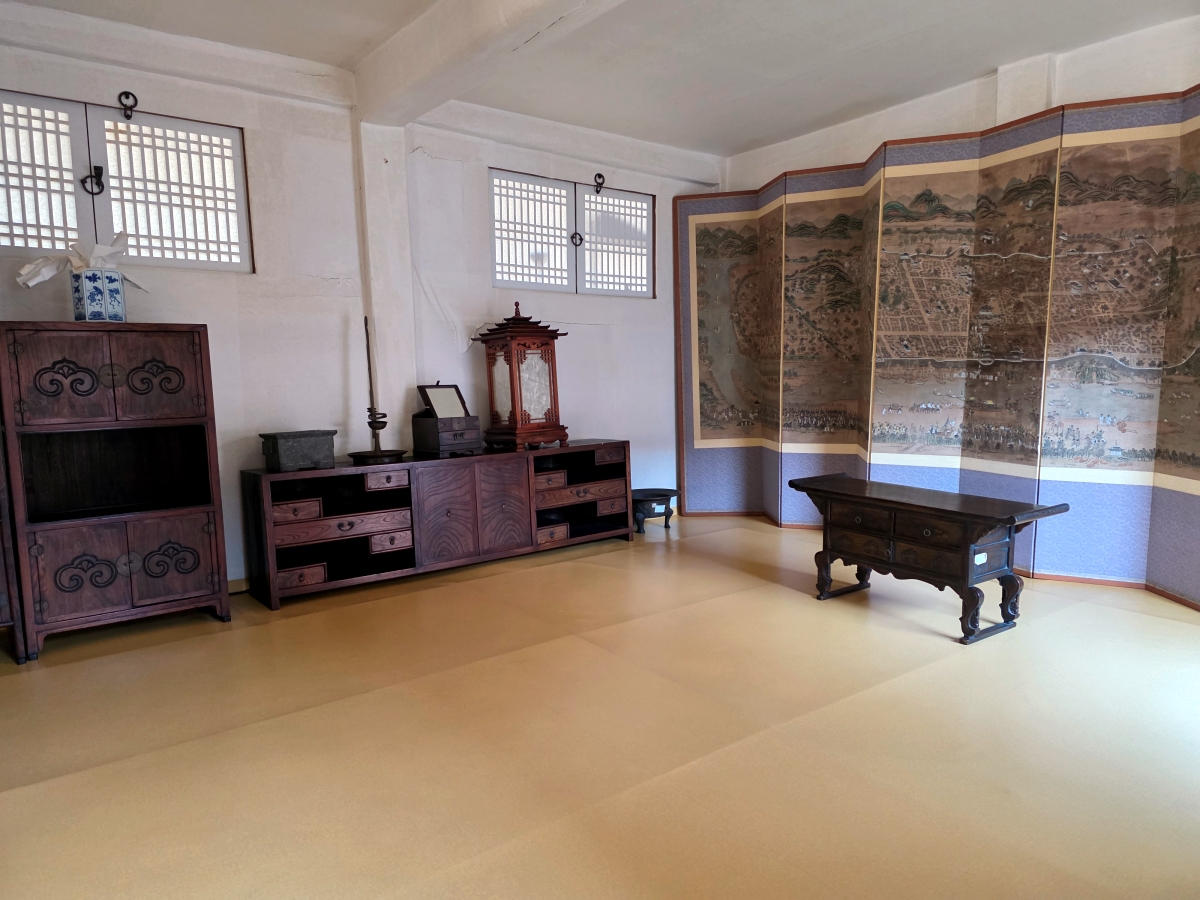
The layout of a hanok shows how people lived.
Different spaces were used for different purposes:
- Inner areas were used for family life
- Outer areas were used for receiving guests and social activities
This separation helped organize daily life and maintain privacy within the household.
4. Ondol: The Traditional Heating System
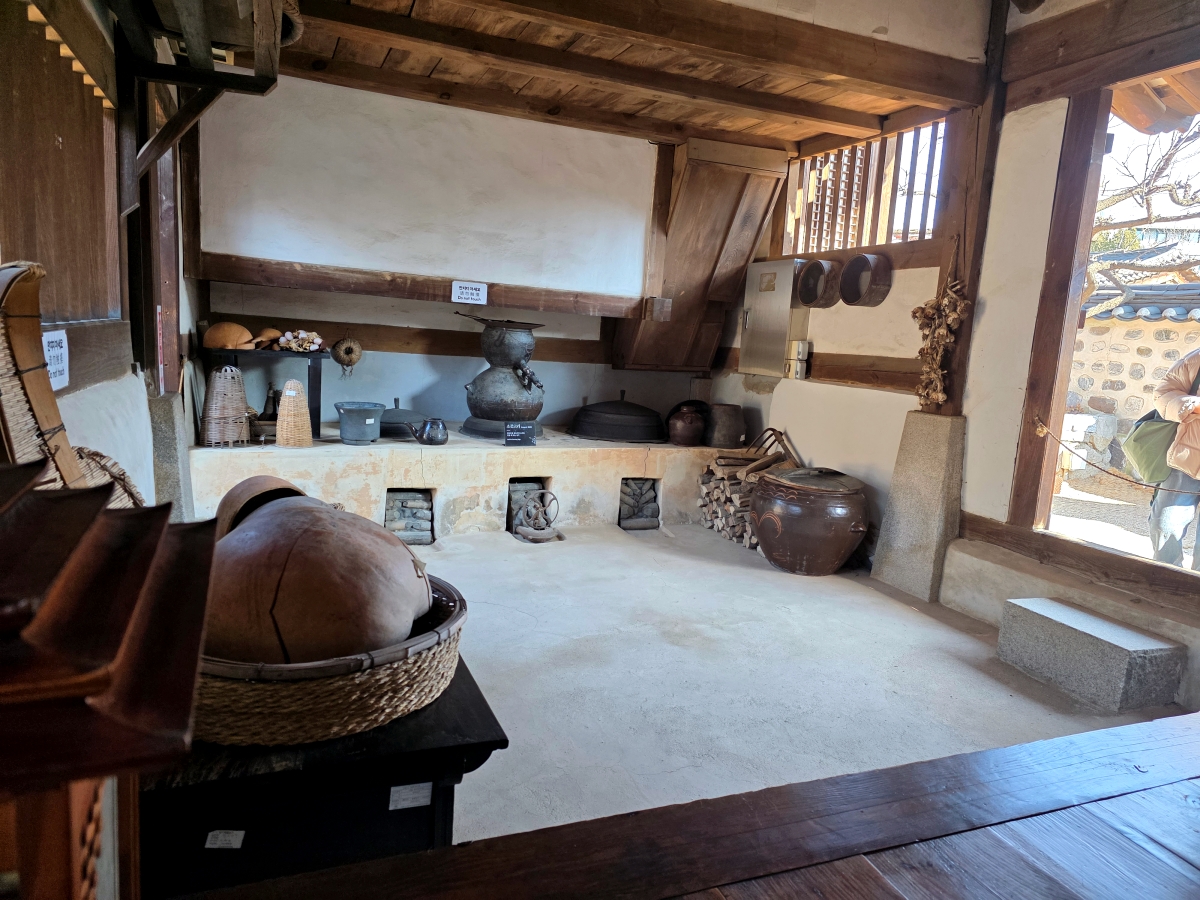
One of the most important features of hanok is hidden under the floor.
This is called ondol, a traditional heating system.
- Heat is generated in the kitchen
- It travels through channels under the floor
- The floor stays warm for a long time
Because of this system, people traditionally lived, sat, and slept on the floor.
Even today, modern Korean floor heating is based on this idea.
5. Small Details That Carry Meaning
Many details in hanok are meaningful.
Colors and patterns
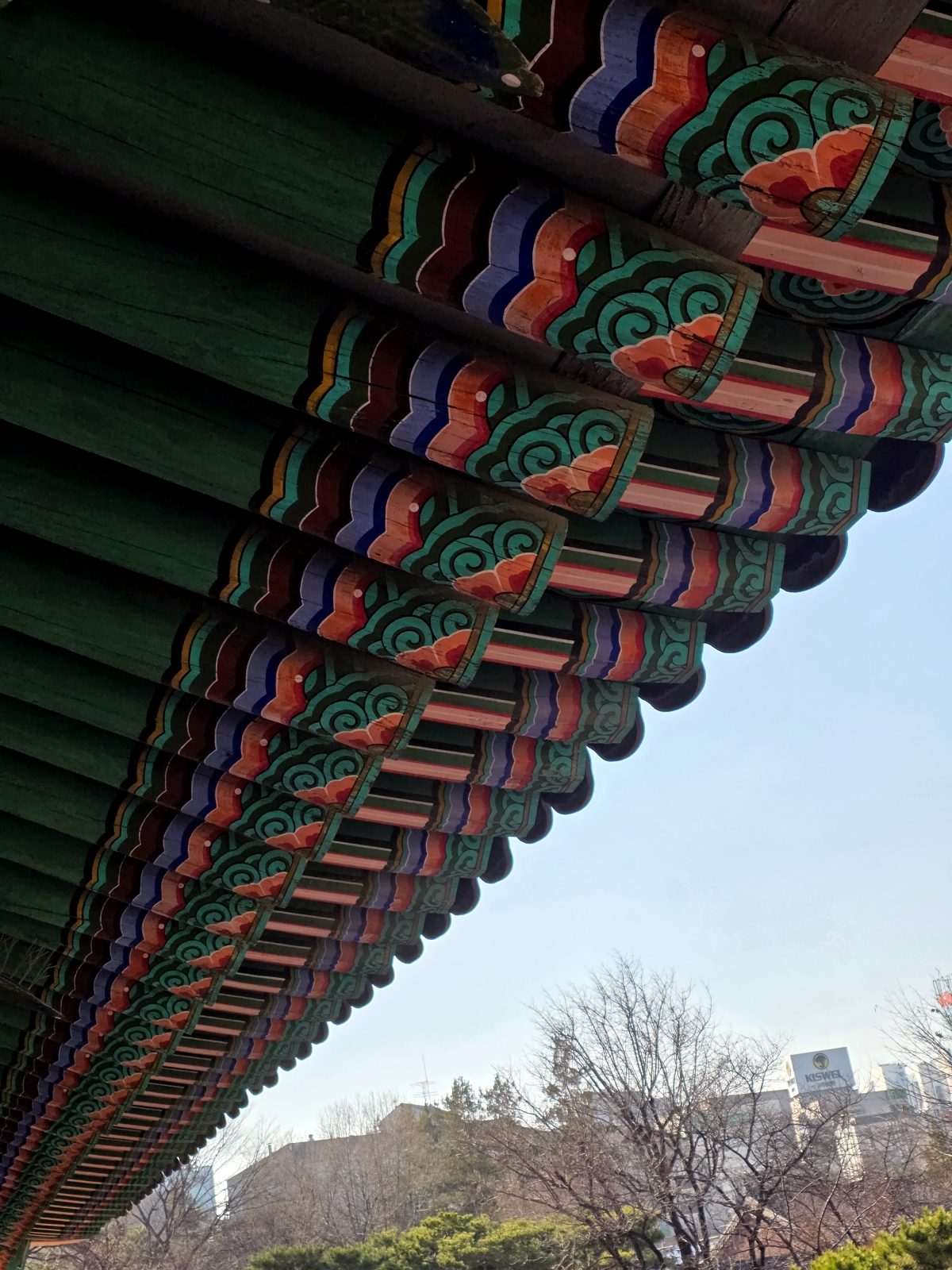
Decorative colors are not only for beauty—they also protect the wood and represent traditional ideas about balance and harmony.
Symbols
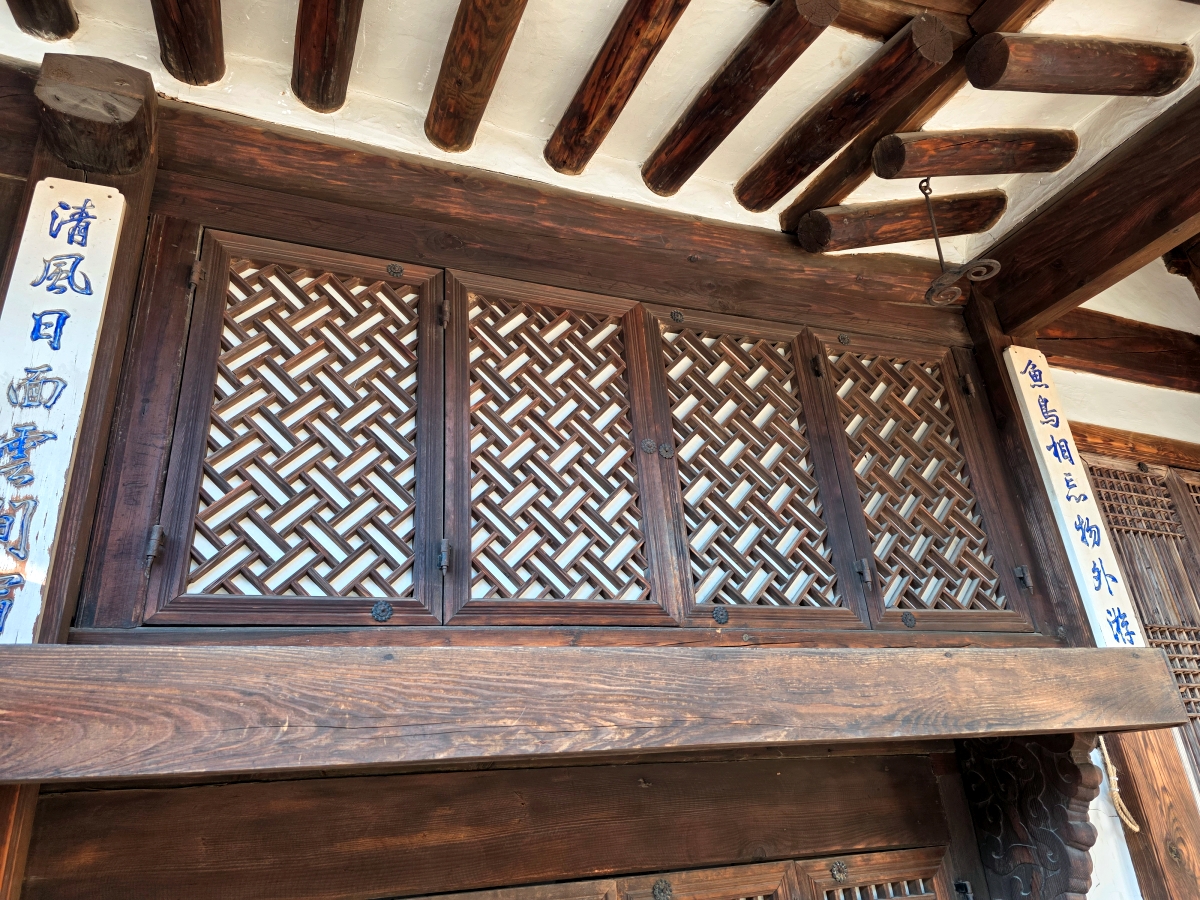
Certain shapes and patterns express wishes for protection, prosperity, and longevity.
Proportions
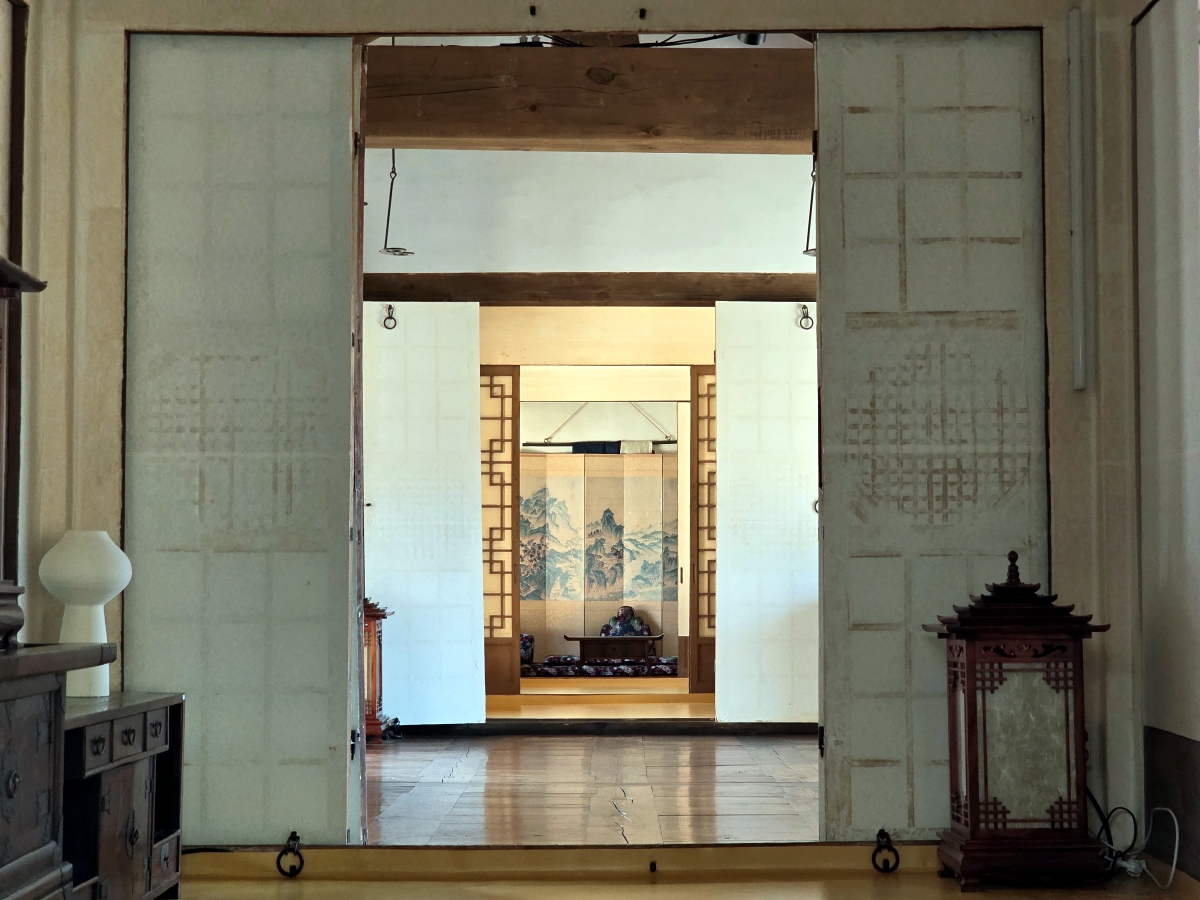
Even room sizes are designed based on human scale, creating a comfortable and efficient living environment.
How to Get More Out of Your Visit
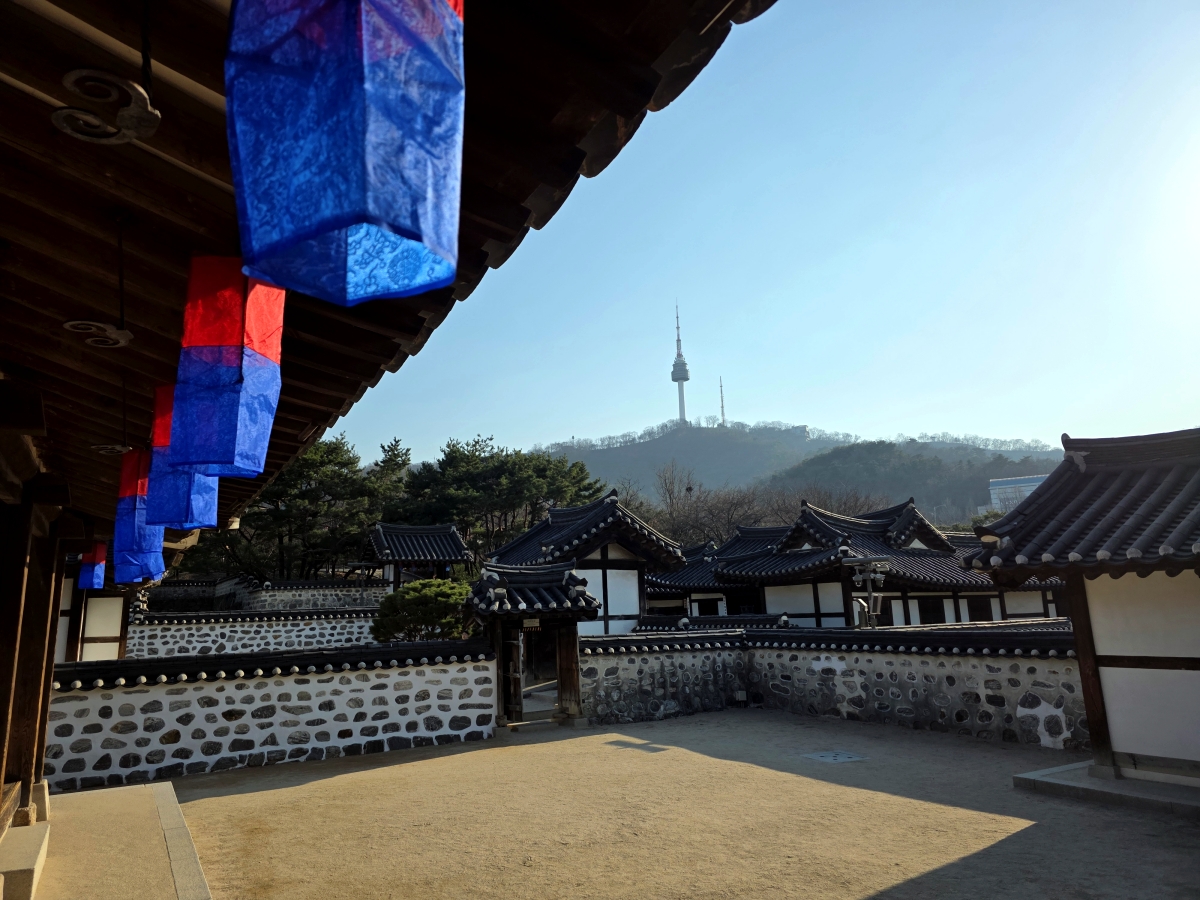
- Walk slowly and observe details, not just the overall view
- Pay attention to light, shadows, and how spaces connect
- Try to imagine how people lived in each space
- Take photos, but also take time to understand what you are seeing
- If you have more time, you may also want to visit N Seoul Tower for one of the best panoramic views of Seoul
You may also be interested in:
Conclusion
Namsangol Hanok Village is more than just a place to take photos.
It is a space that reflects how people lived, how they interacted with nature, and how they designed their homes with meaning.
With a bit of background knowledge, your visit becomes much more than sightseeing—it becomes a deeper cultural experience.
Read more: Gyeongbokgung Palace Tour: Free Guided Tour Schedule
Frequently Asked Questions (FAQ)
Yes, especially if you want to experience traditional Korean houses (hanok) without leaving Seoul. It is smaller and less crowded than palaces, making it a relaxing stop.
Yes, admission is completely free.
This makes it one of the best budget-friendly cultural spots in Seoul.
The easiest way is via Chungmuro Station (Line 3 & 4).
It is just a short walk from the station, making it very convenient.
Most visitors spend about 1 hour to 1.5 hours.
It is compact, so you can explore everything quickly.
Traditional hanok houses from the Joseon Dynasty
Cultural exhibits and furniture
A peaceful garden and pavilion area
Not usually.
Compared to places like Gyeongbokgung Palace, it is much quieter and more relaxed.
Yes, it is very close to Myeongdong.
Many travelers combine both in the same itinerary since they are within walking distance or a short subway ride.