How to Clean My Kettle (An Easy Method Using Citric Acid)
Disclosure: This post may contain affiliate links. If you click and make a purchase, I may earn a commission at no extra cost to you. Read more
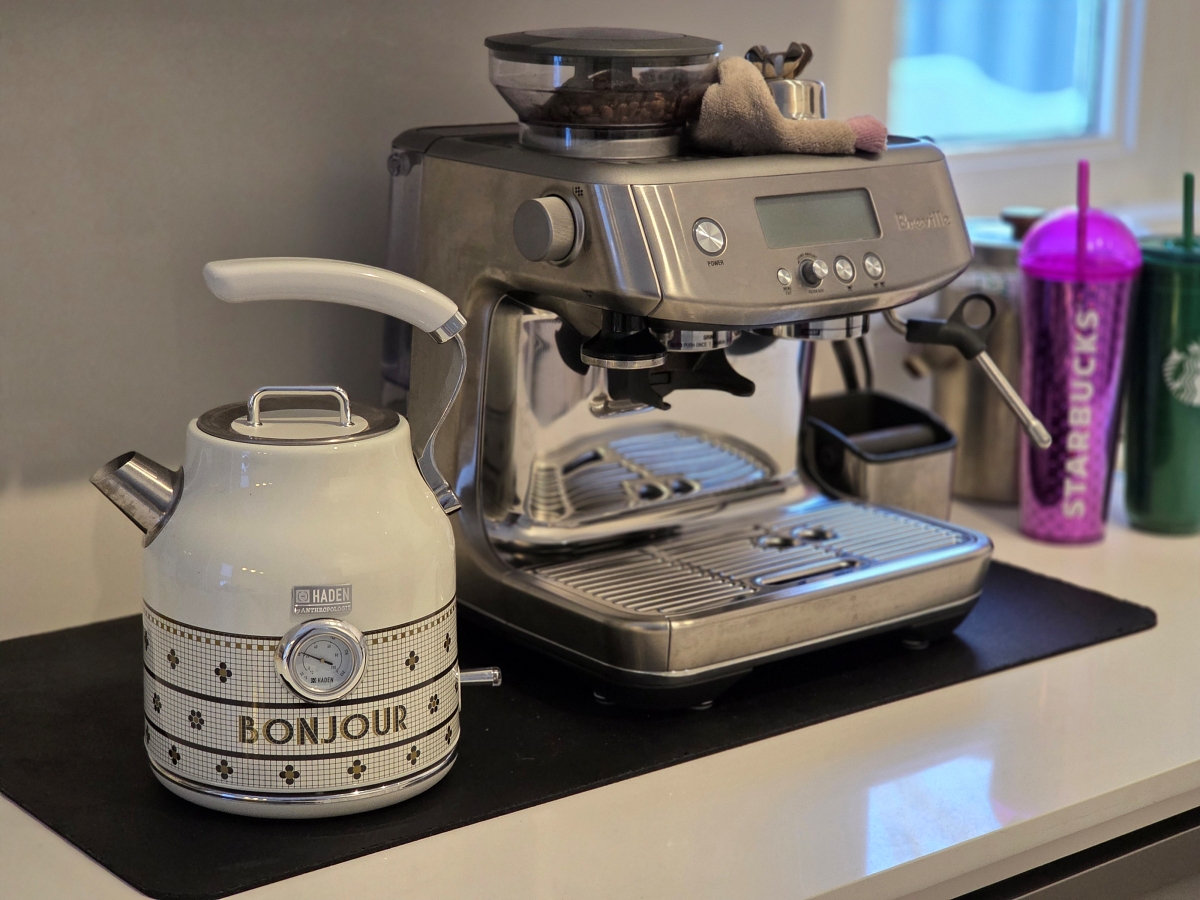
Claire asked me to clean our electric kettle the other day.
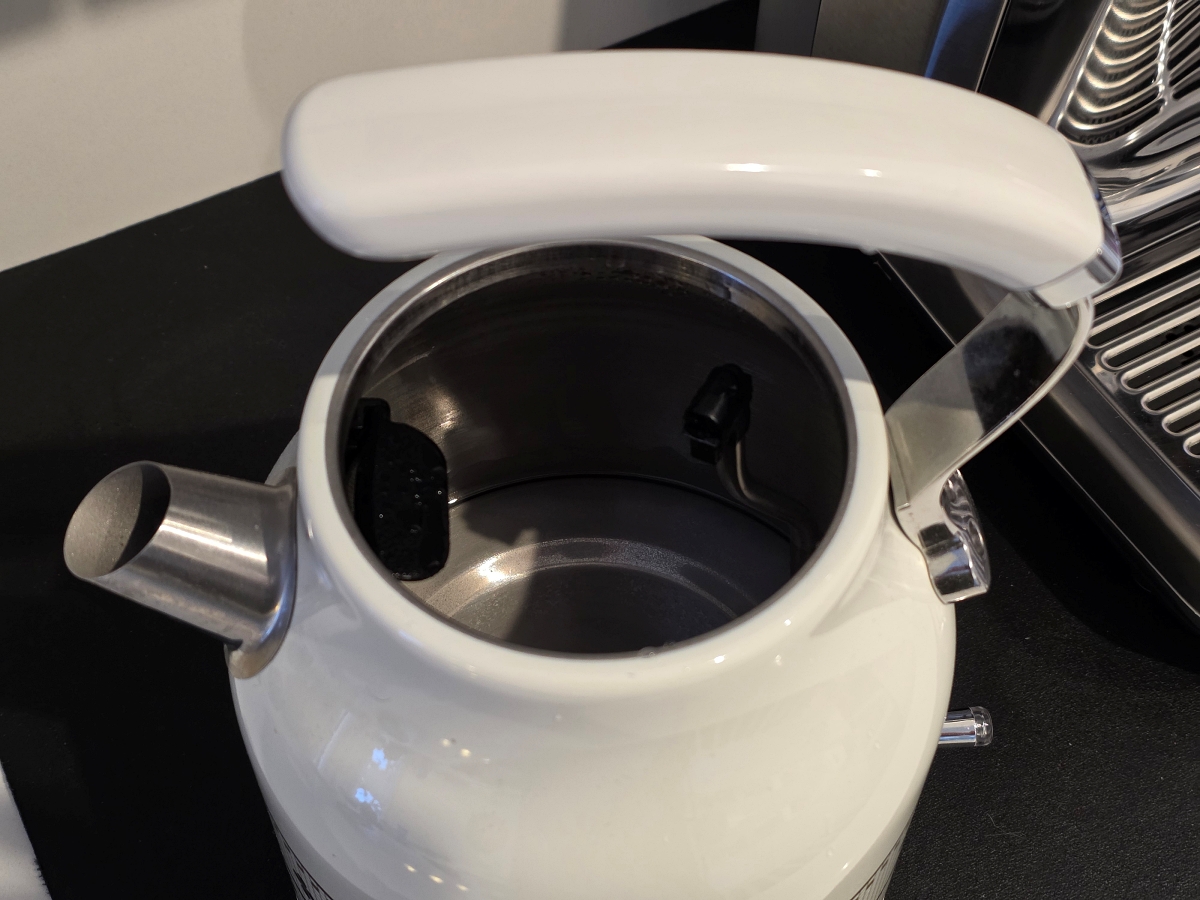
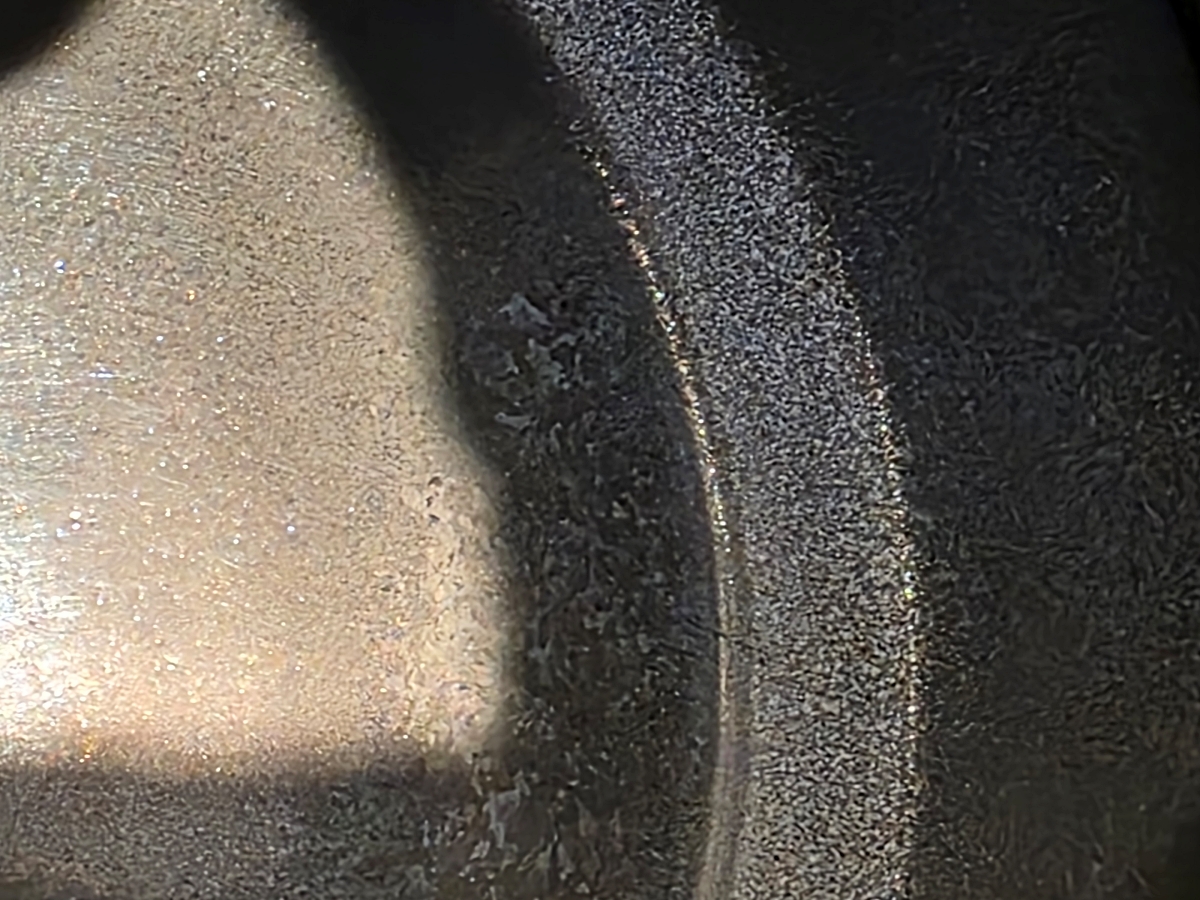
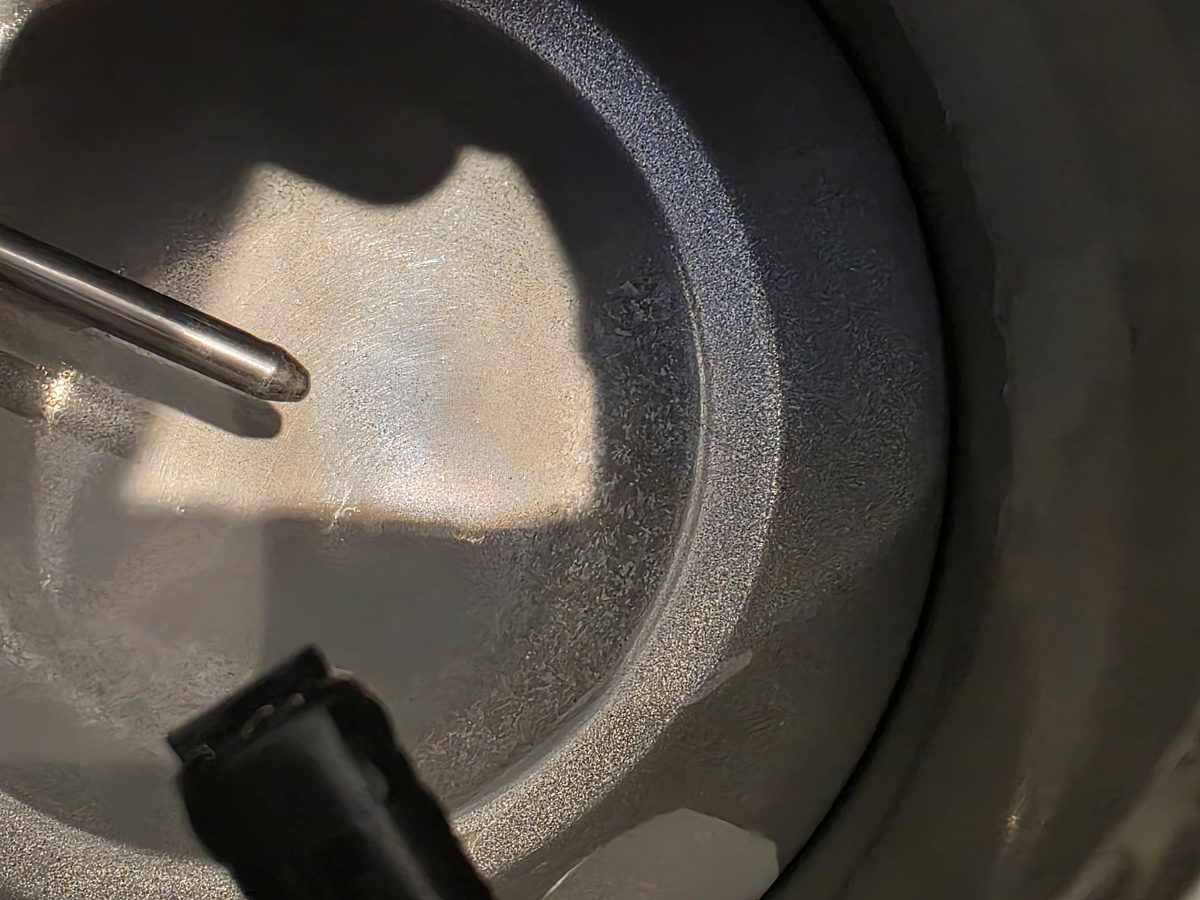
At first, it didn’t look too bad, but once I looked inside, the bottom was covered with limescale.
How to Clean My Kettle Using Citric Acid
Cleaning a kettle this way is much easier than it sounds.
Here is exactly how I cleaned my electric kettle using citric acid, step by step:
- Fill the kettle: Fill the kettle about two-thirds full with water.
- Add food-grade citric acid: Add 1–2 tablespoons of food-grade citric acid.
- Boil the water: Turn on the kettle and bring the water to a full boil.
- Soak: Let it sit for 15–20 minutes so the limescale can dissolve.
- Rinse: Pour out the water, then boil fresh water once or twice to rinse the kettle.
That’s it. No scrubbing, no harsh chemicals, and no strong vinegar smell.
I’ve tried vinegar in the past, but citric acid worked faster and didn’t leave any lingering odor.
Before Cleaning: What the Limescale Looked Like
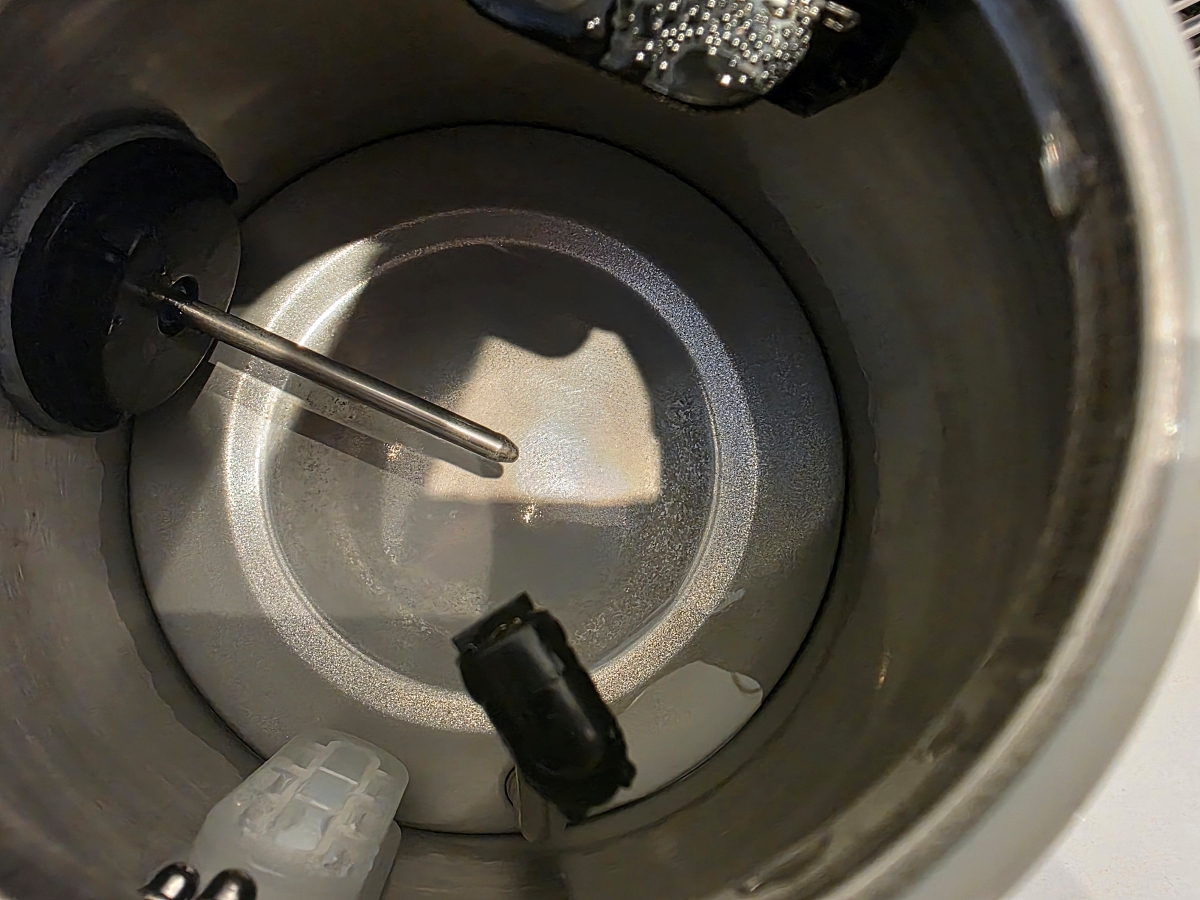
Before cleaning, the bottom of the kettle was clearly coated with mineral buildup. This is very common if you live in an area with hard water, and it slowly affects both the taste of your water and the efficiency of the kettle.
One clear “before” photo is enough to understand the problem.
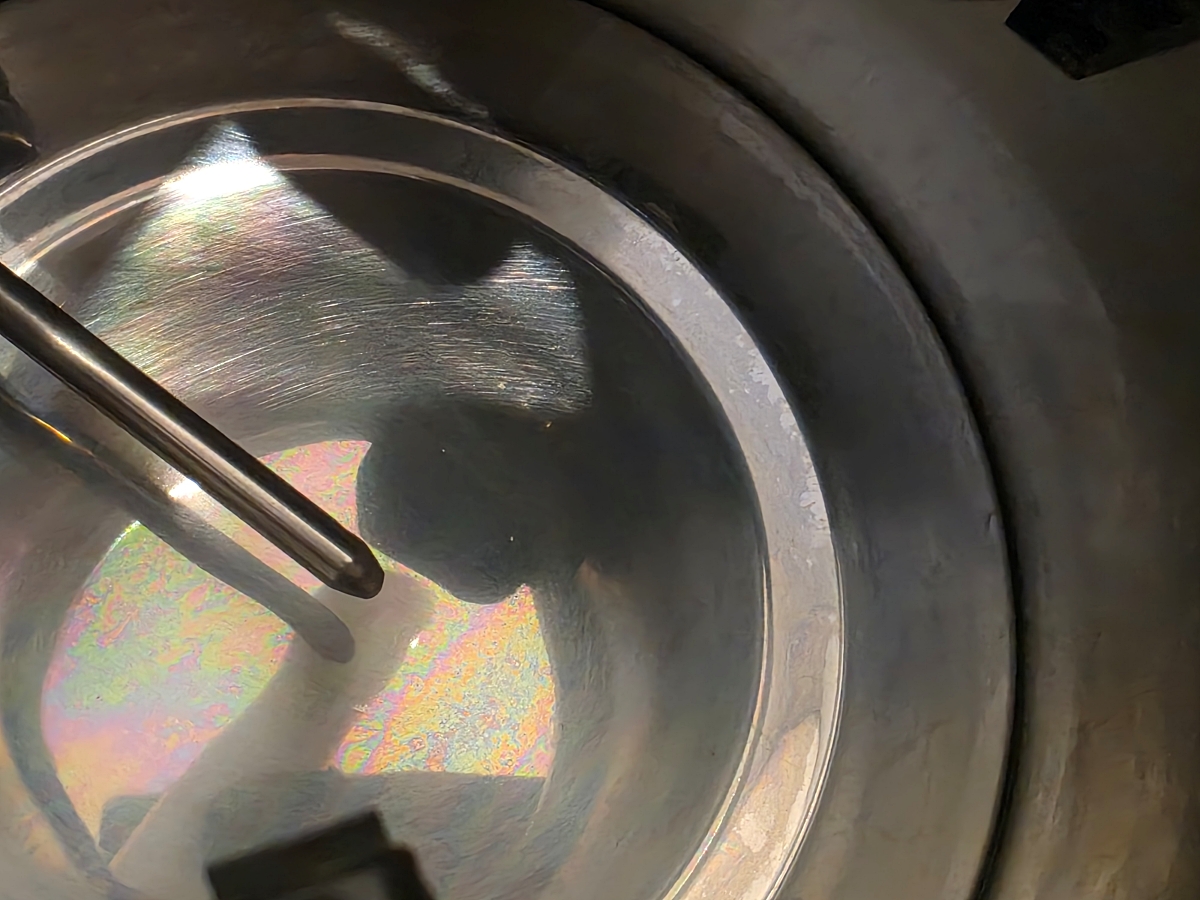
After Soaking: The Difference Is Immediate
After about 15 minutes of soaking, the limescale was already gone. Even before draining the water, the interior looked noticeably cleaner.
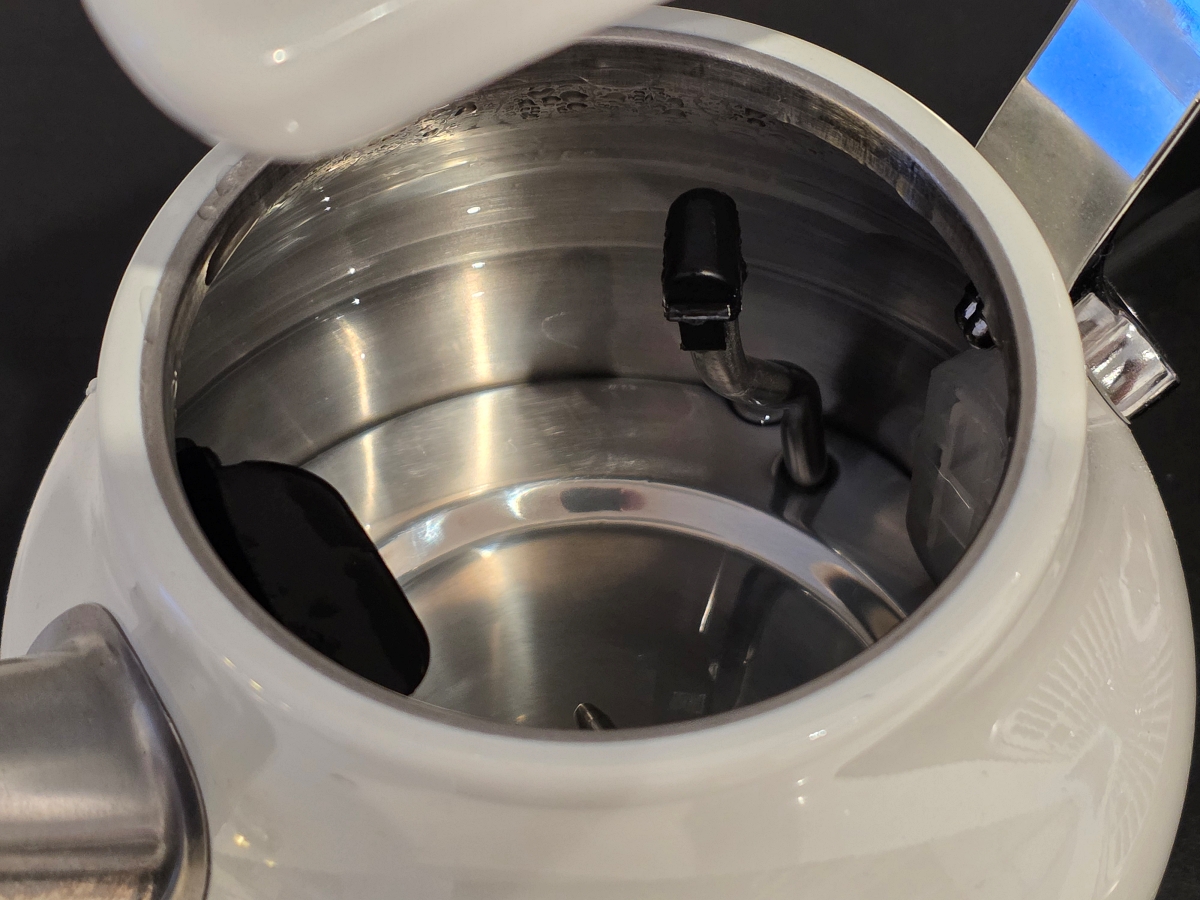
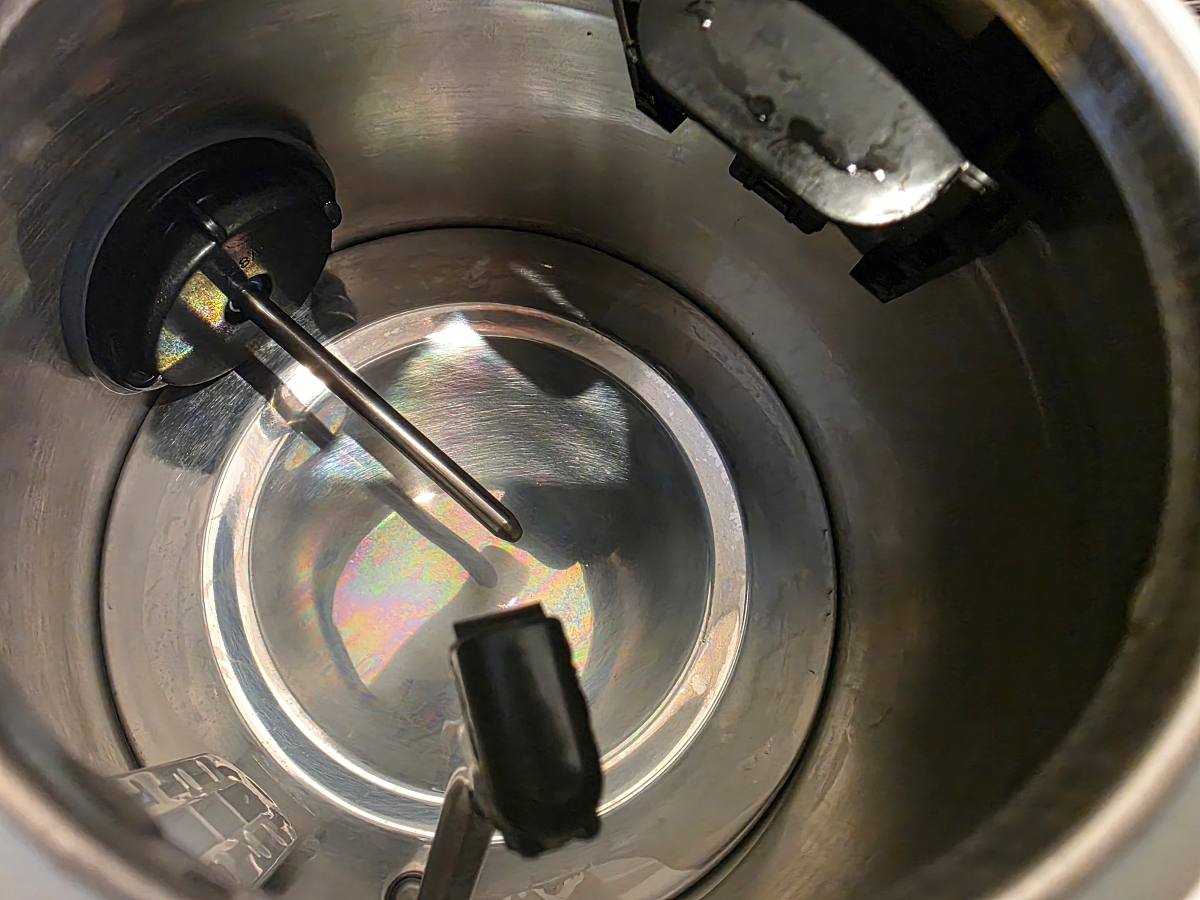
Once I poured the solution out and boiled fresh water twice to rinse, the bottom of the kettle was clean and shiny again, including the heating element.
You can check before vs after photos below.
Why I Used Food-Grade Citric Acid
I ordered citric acid from Amazon, but I specifically searched for food-grade citric acid rather than a general cleaning product. Since this goes into boiling water that we later drink, that distinction matters.
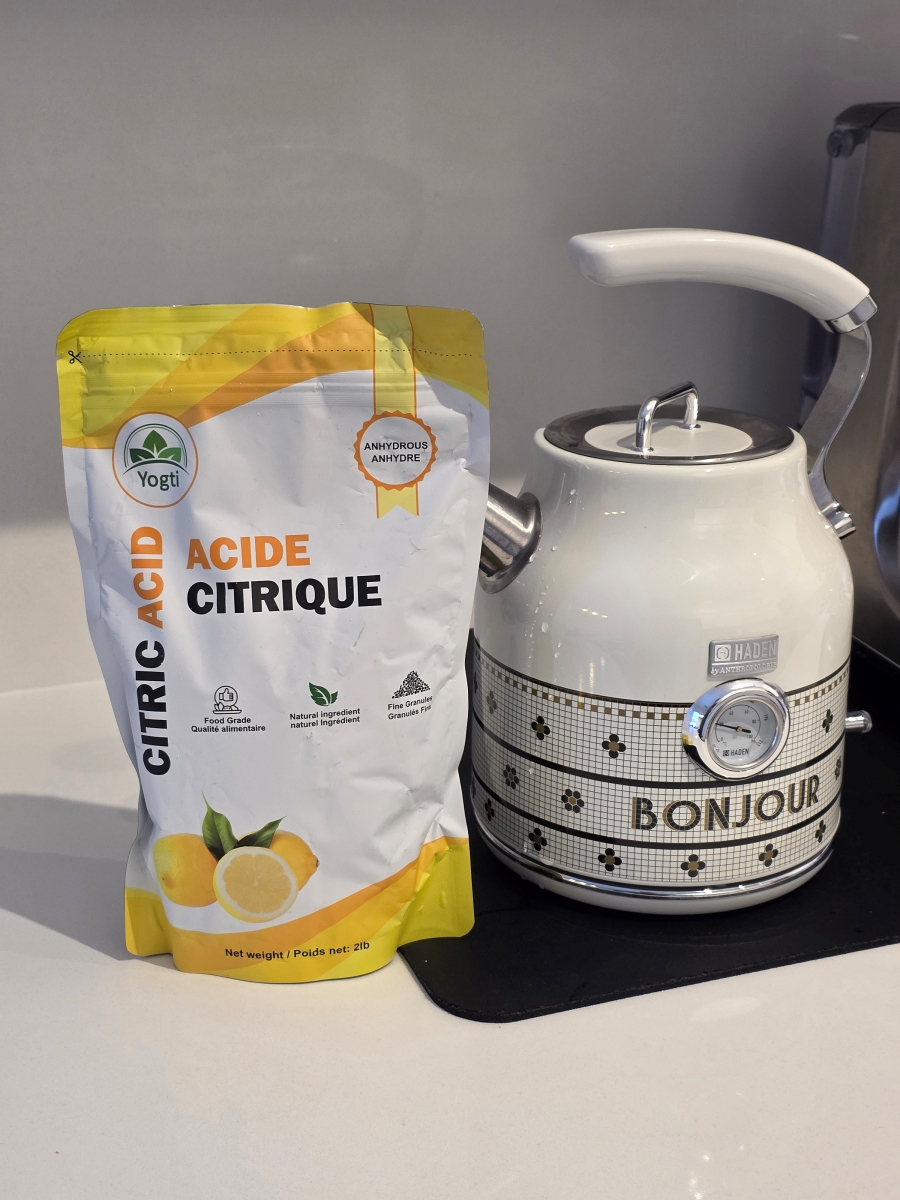
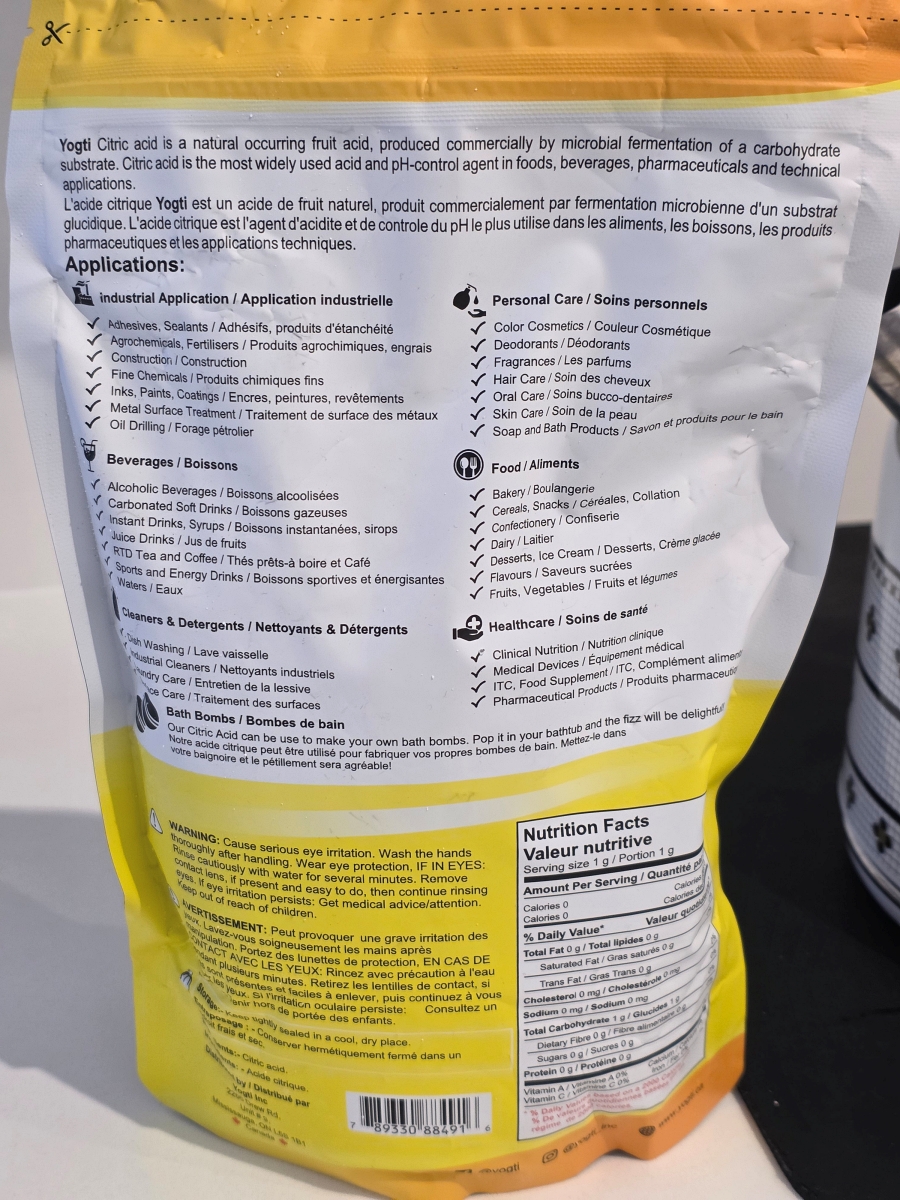
Citric acid is surprisingly versatile. The package listed uses ranging from beverages and cleaning to cosmetic applications and even bath bombs. Knowing that made me feel comfortable using it inside a kettle. If you are browsing Amazon US, you can find comparable food-grade citric acid options here.
→ Check food-grade citric acid options for kettle cleaning
How Often Should You Clean Your Kettle?
If you use your kettle daily, cleaning it once every two to three months is a good rule. If you notice white flakes, cloudy water, or a change in taste, that’s usually a sign it’s time to descale again.
Regular cleaning helps your kettle last longer and keeps your water tasting clean.
Cleaning your kettle is much easier than it looks. Once you know how to clean my kettle properly, it turns into a quick maintenance task rather than an annoying chore.