Bukchon Hanok Village: More Than Just a Photo Spot in Seoul
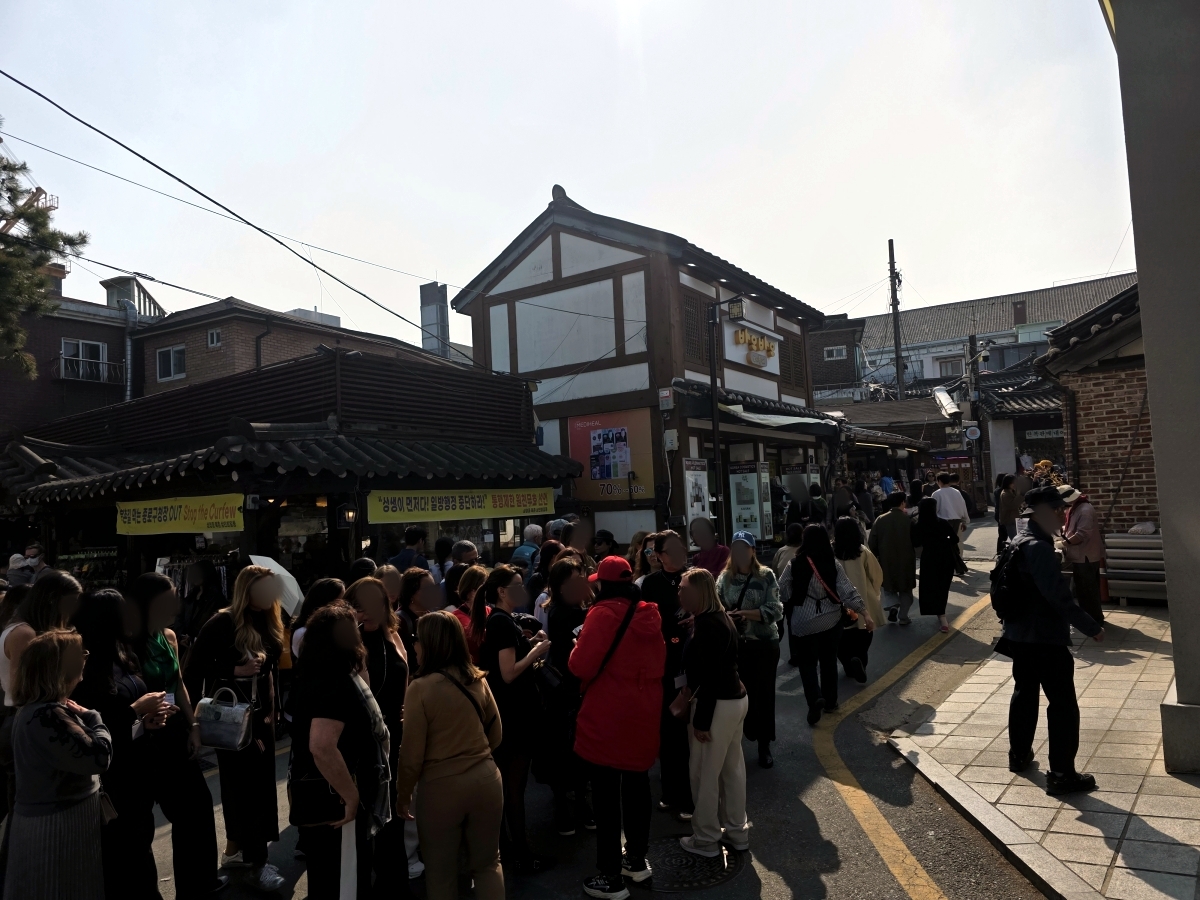
When you visit Bukchon Hanok Village, you will almost always see crowds of international travelers. It has become a quintessential stop in Seoul—an essential chapter in any Korean travel story.
But what exactly makes Bukchon so magnetic?
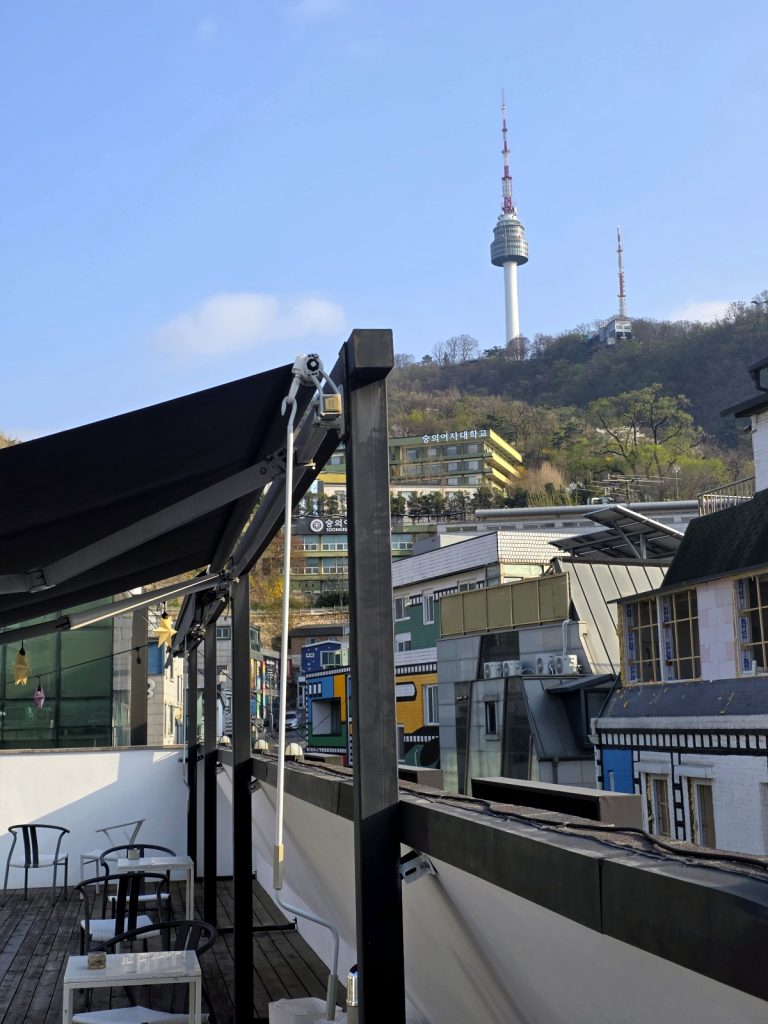
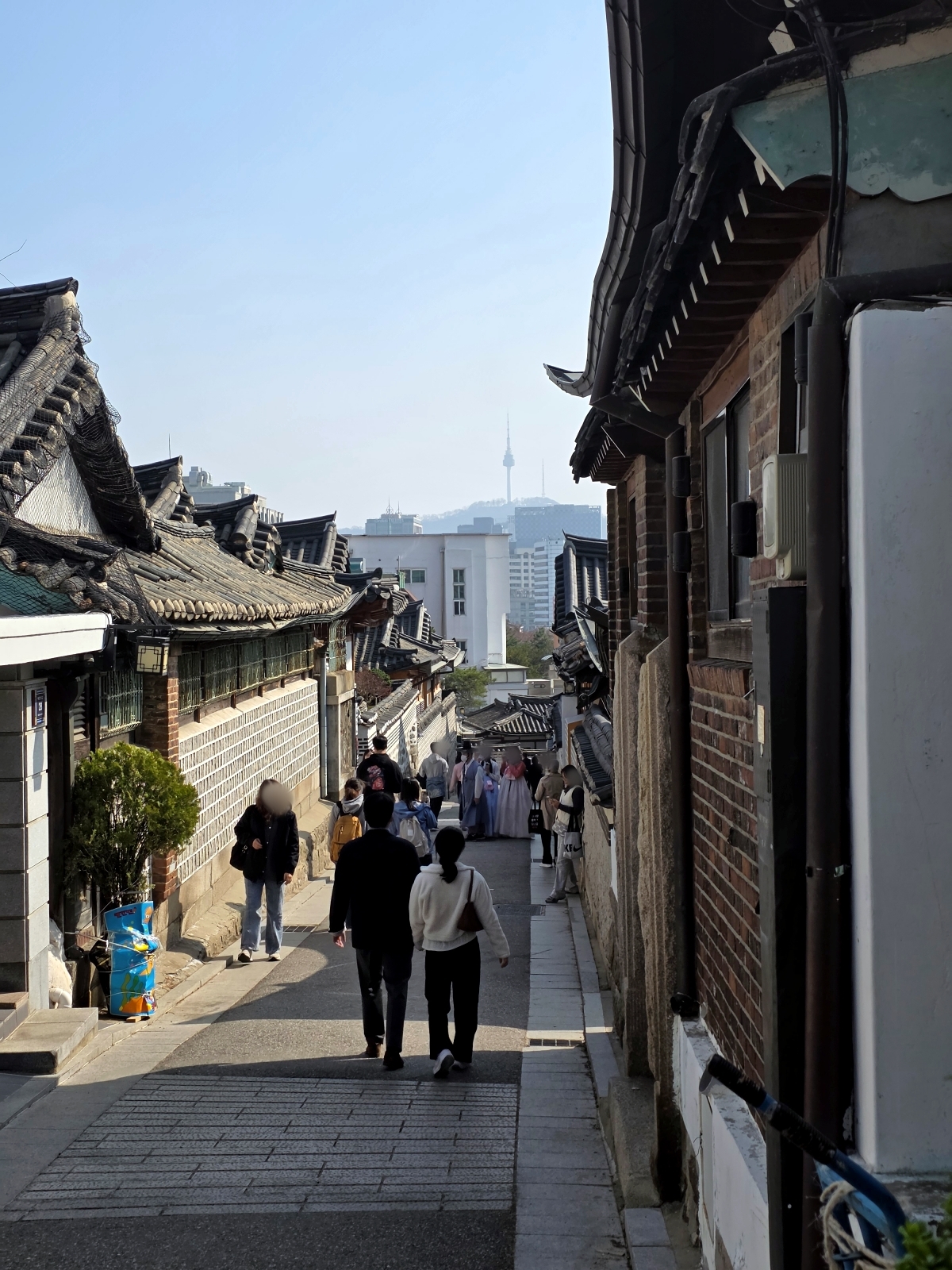
One of the primary draws is the unique visual contrast. As traditional hanok rooftops stretch across the landscape, the modern skyline of Seoul and the N Seoul Tower rise in the distance. This juxtaposition of the old and the new creates one of Seoul’s most iconic vistas.
Another factor is its prime location. Nestled perfectly between Gyeongbokgung Palace, Changdeokgung Palace, Samcheong-dong, and Insadong, Bukchon is the ideal centerpiece for a one-day walking itinerary.
But is Bukchon just a place to snap a single photo at a famous viewpoint and leave? If you’re in a rush, perhaps. But for those with a bit more time, the true magic lies in the smaller alleys and the immersive, slower pace of the neighborhood.
What Bukchon Hanok Village Really Is
Bukchon is one of Seoul’s most significant traditional residential areas. Its name literally translates to “Northern Village,” referring to its historical location north of Jongno and Cheonggyecheon during the Joseon Dynasty.
However, there is a detail many visitors overlook: Most of the hanok you see today were actually developed between the 1920s and 1960s.
Rather than being a frozen-in-time ancient relic, Bukchon is a living example of how traditional architecture adapted to early 20th-century urban planning. It is a place where history and modern functionality coexist.
There is also a hidden history beneath your feet. The very roads you walk on were once flowing streams. Historic waterways such as Jesaengdongcheon, Wondongcheon, and Samcheongdongcheon once carved through these alleys. Over time, these streams were covered to build roads, meaning that as you explore Bukchon, you are literally walking atop centuries-old hidden waterways.
The Photo Spot Everyone Knows
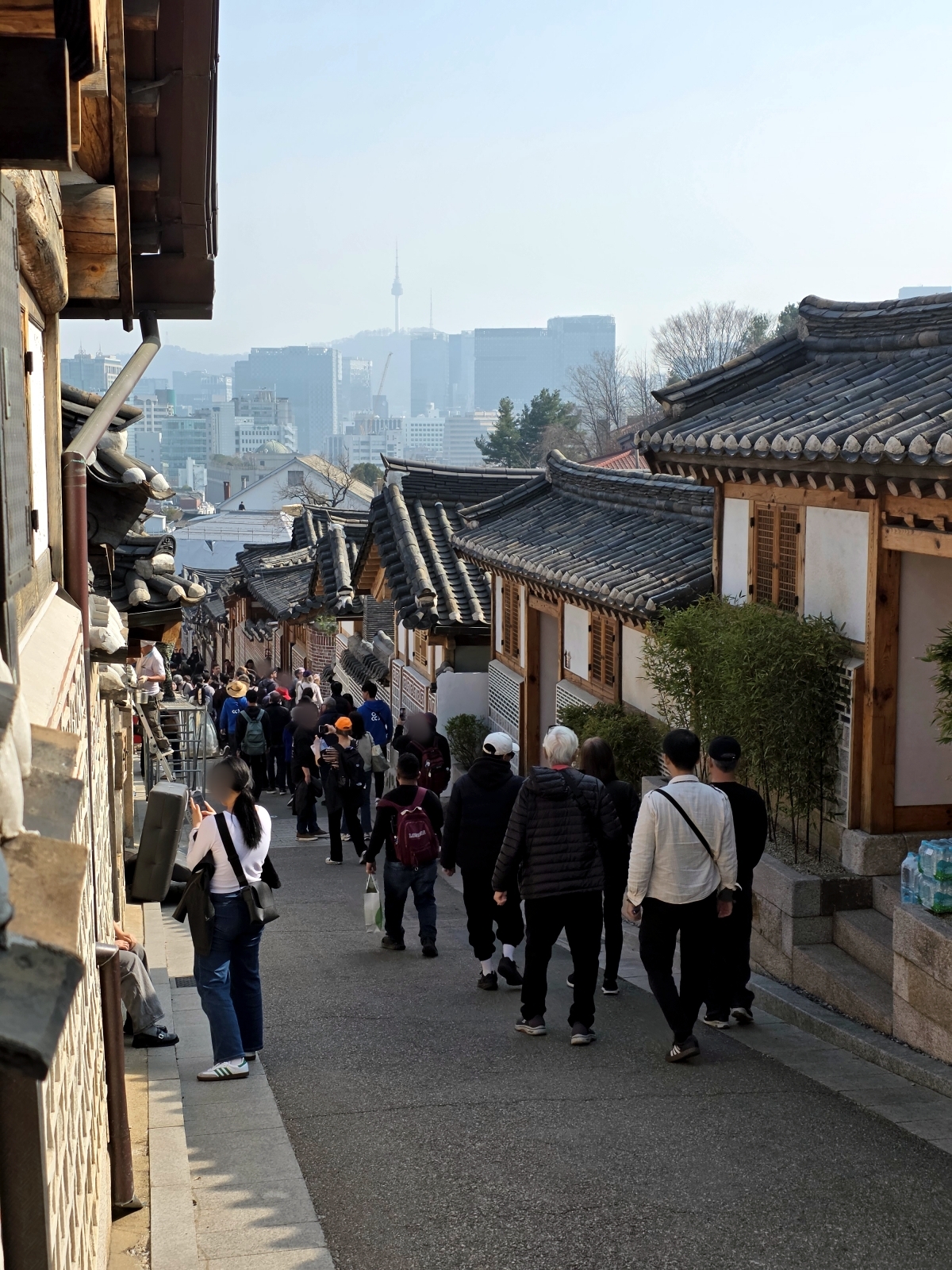
The sloped streets, layered rooflines, and city backdrop create a scene that has become synonymous with Seoul tourism. Naturally, this is where the crowds gather.
However, there is a downside to focusing only on this spot. If you only visit the main viewpoint, Bukchon can feel underwhelming—like a “photo location” rather than a neighborhood. The famous view is certainly worth seeing, but it shouldn’t be the entire experience.
What to Notice Beyond the Famous View
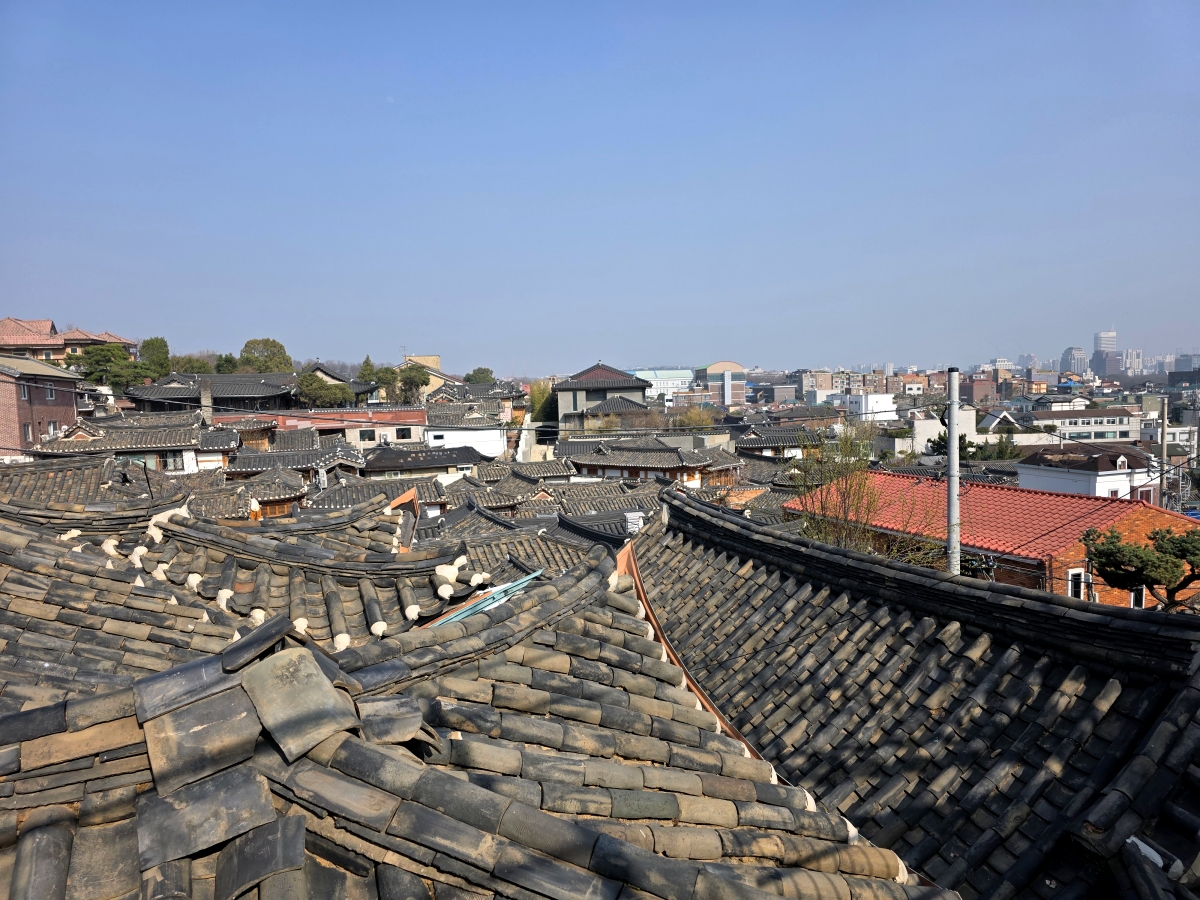
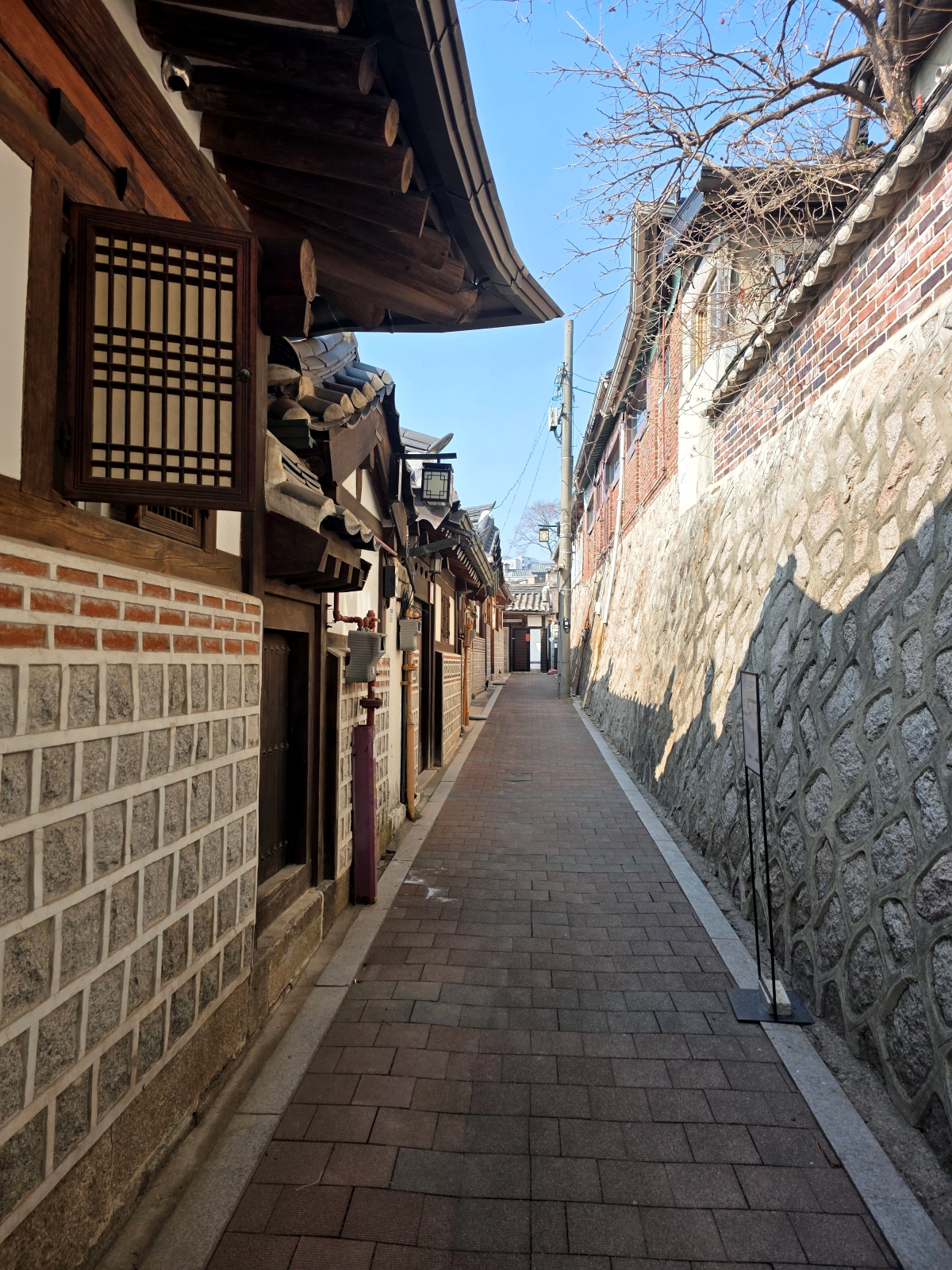
Once you venture past the main crowds, Bukchon reveals its true character:
- The Topography: Bukchon’s charm is defined by its slopes. The constant changes in elevation offer shifting perspectives of the city and the rooftops.
- Architectural Variety: Not all hanok are identical. Look closely and you’ll find varying sizes, intricate tile work, and even rare two-story hanok structures.
- The Atmosphere: Bukchon isn’t about checking off a list of landmarks; it’s about observing the quiet details of a living neighborhood.
Insider Recommendation: Baek In-je House (백인제 가옥)
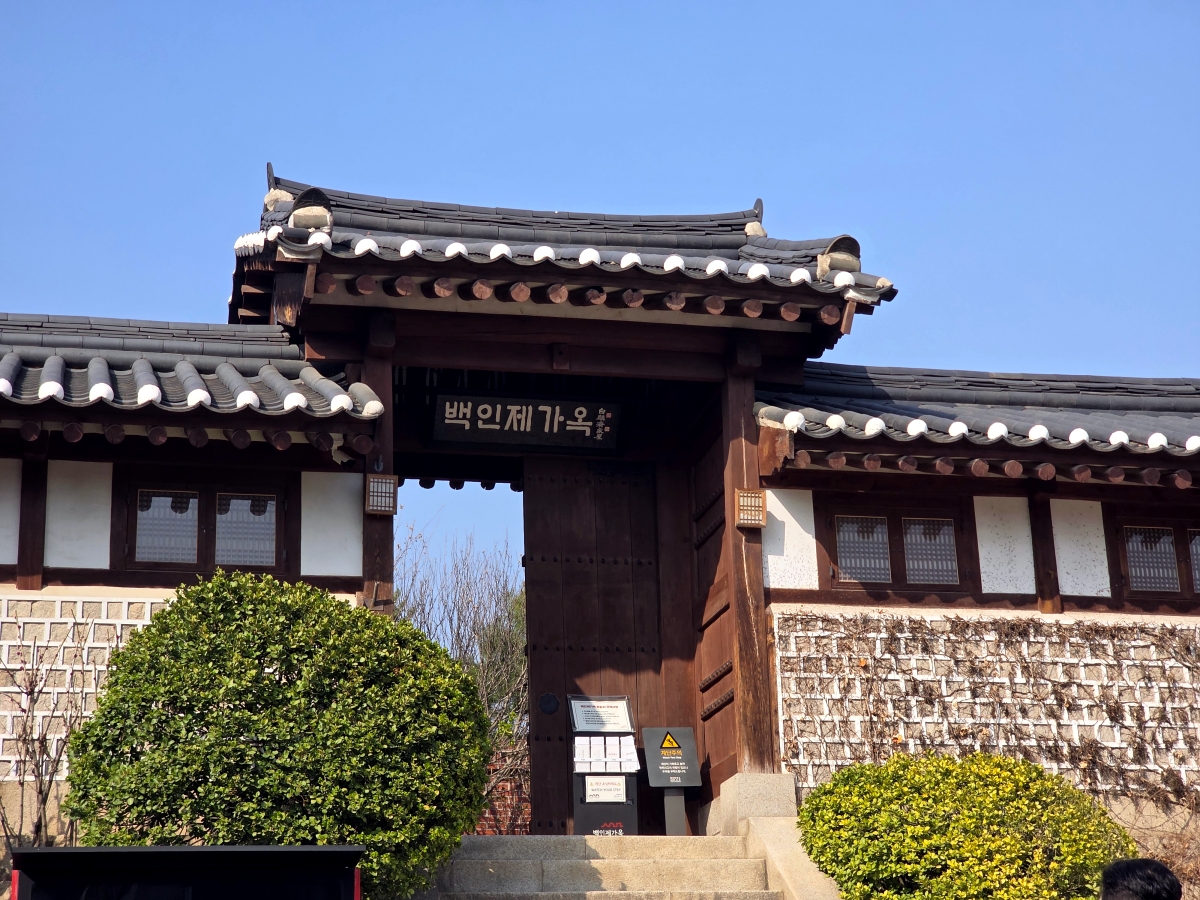
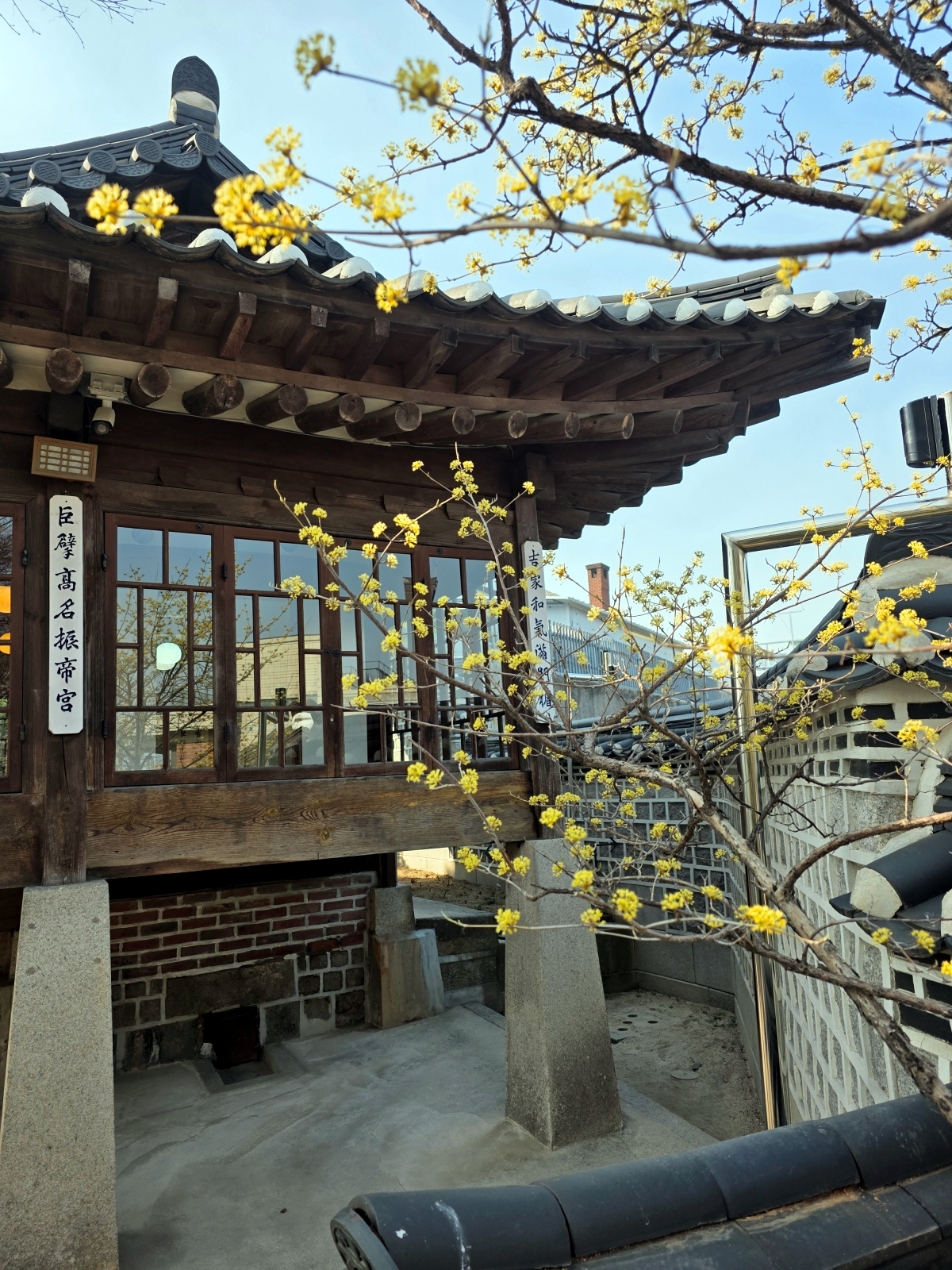
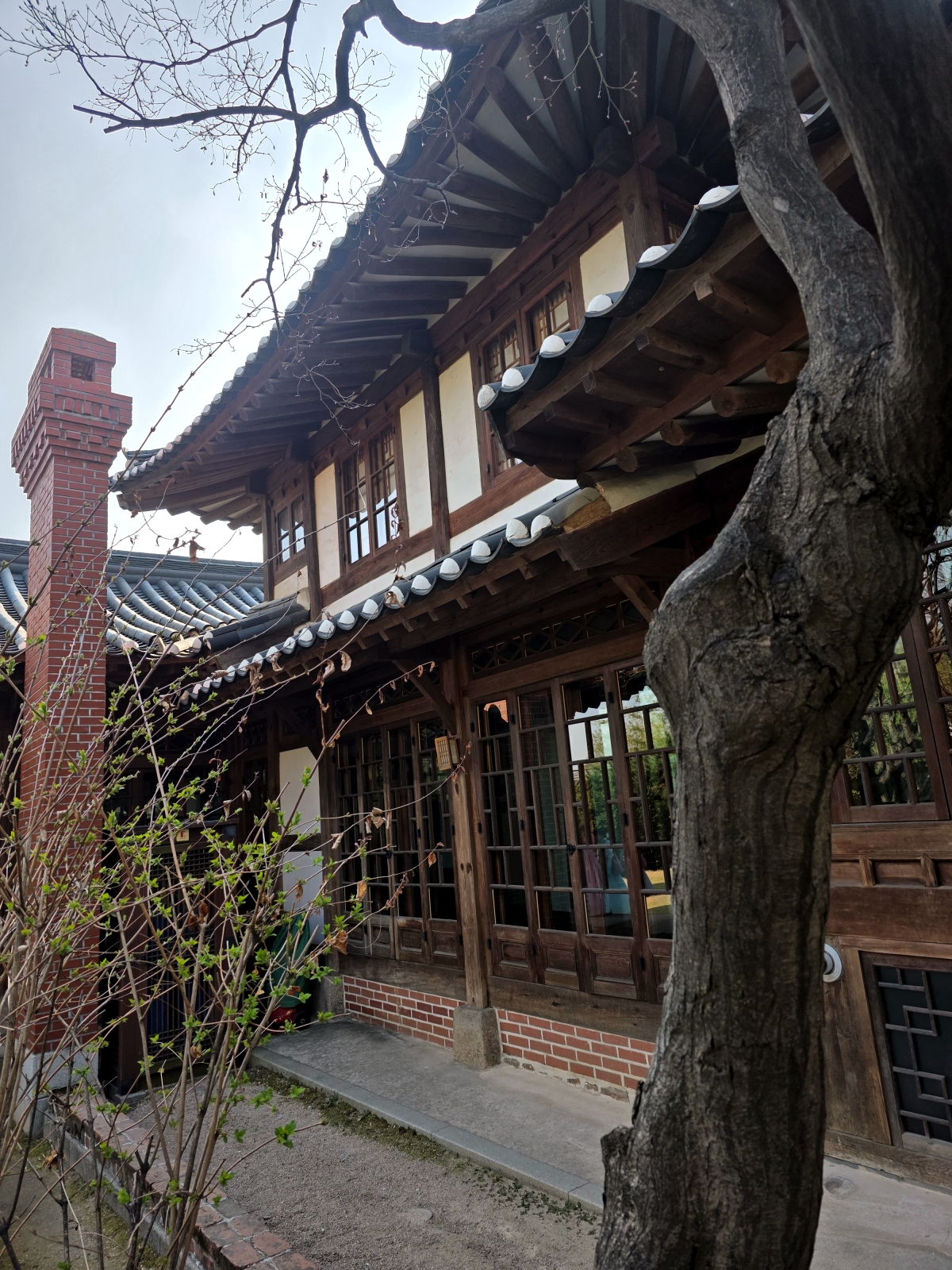
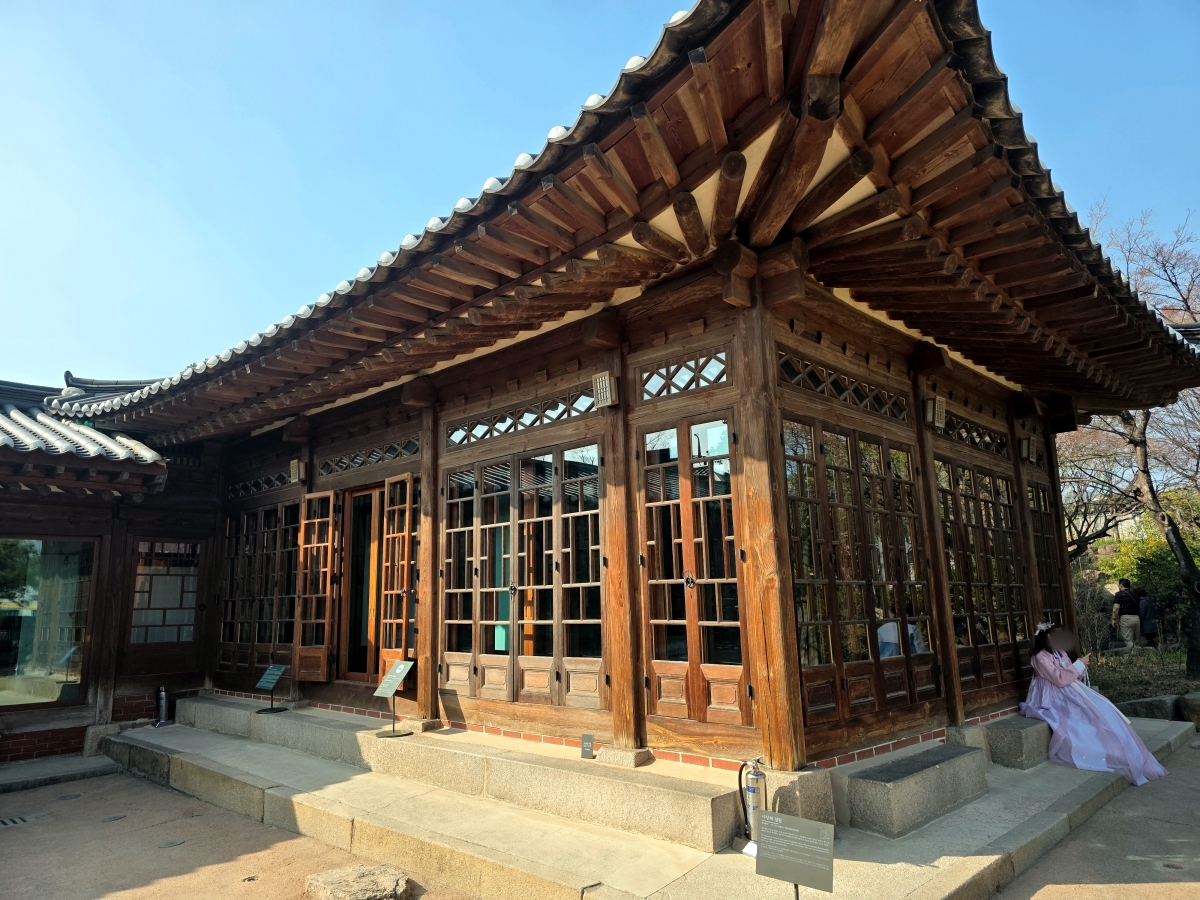
I highly recommend stopping by Baek In-je House. It is located slightly away from the main tourist path but sits conveniently on the route toward Anguk Station.
This traditional hanok complex was once the residence of Dr. Baek In-je and is now preserved by the Seoul Metropolitan Government. Unlike the busy main streets, this estate feels quiet, calm, and incredibly refined. It is one of the best places to appreciate high-end hanok architecture without the pressure of the crowds.
Practical Tips for Your Visit
- Wear comfortable shoes: The slopes and stairs are no joke. Functional footwear is a must.
- Arrive early (ideally around 10 AM): Visiting hours in certain residential zones are restricted (typically 5:00 PM to 10:00 AM). Arriving right at 10:00 AM ensures the most peaceful experience before the 11:00 AM rush.
- Respect the residents: Bukchon is a living neighborhood. Please keep your voice down and be mindful of the people who call these beautiful houses home.
- Try wearing a hanbok: If you are planning to visit Gyeongbokgung Palace or Changdeokgung Palace, consider renting a hanbok. You can receive free admission to the palaces when wearing a hanbok, which already makes it worthwhile. Beyond that, walking through Bukchon Hanok Village in traditional Korean attire creates a completely different experience. The combination of hanok houses and hanbok adds a unique atmosphere that you simply cannot get in everyday clothing.
Conclusion: A Walk Through Time
Bukchon Hanok Village is a place where multiple layers of history coexist: hidden waterways beneath the pavement, the evolution of urban hanoks, and the daily lives of modern residents.
If you view Bukchon only through a camera lens, it may seem simple. But if you approach it as a space shaped by history and architecture, it becomes one of the most meaningful walks you can take in Seoul.
Read more: Namsangol Hanok Village (Namsan Hanok Village): A Guide to Understanding Hanok
Frequently Asked Questions (FAQ)
Yes, Bukchon Hanok Village is worth visiting in Seoul, especially if you enjoy traditional architecture, quiet neighborhood walks, and historic areas. It feels most rewarding when you explore beyond the famous photo spot and spend time in the smaller alleys.
Bukchon Hanok Village is popular because of its iconic hanok rooftops, sloped streets, and the contrast between traditional houses and the modern Seoul skyline. Its location near Gyeongbokgung Palace, Changdeokgung Palace, Samcheong-dong, and Insadong also makes it easy to include in a one-day Seoul itinerary.
What makes Bukchon special is that it is not just a photo spot. It is a living residential neighborhood where traditional hanok architecture, early urban development, and everyday life still exist together. That gives the area a very different feeling from a typical tourist attraction.
Yes, Bukchon Hanok Village is still a real residential area. That is why visitors are expected to stay quiet, respect private homes, and follow visiting-hour guidance in certain parts of the neighborhood.
The best time to visit Bukchon Hanok Village is early in the day, ideally around 10:00 AM. Visiting earlier usually means fewer crowds and a quieter atmosphere, which makes the area much more enjoyable.
If you only want to see the main viewpoint, a short visit may be enough. But if you want to experience Bukchon properly, it is better to spend at least an hour exploring the alleys beyond the busiest photo area.
Near Bukchon Hanok Village, you can visit Gyeongbokgung Palace, Changdeokgung Palace, Samcheong-dong, Insadong, and Anguk. These places are close enough to combine into one walking route, which is one reason Bukchon works so well in a full-day Seoul itinerary.
Yes, Baek In-je House is worth visiting if you want to experience a quieter and more refined side of Bukchon. It offers a calmer atmosphere than the main tourist streets and is one of the best places to appreciate hanok architecture without the same level of crowding.